Winter is coming, and while you’re preparing your home with insulation and heating checks, there’s one critical system that often gets overlooked until it’s too late: your plumbing. Cold weather can wreak havoc on your pipes, fixtures, and water systems, turning minor issues into expensive disasters. The good news? Most winter plumbing emergencies are preventable if you catch the warning signs early and schedule plumbing inspections before temperatures drop below freezing.
Here are five warning signs that your plumbing needs professional attention now, before winter hits:
1. Slow or Inconsistent Water Drainage
If your sinks, tubs, or showers are draining slower than usual, that’s your plumbing system waving a red flag. Slow drains indicate buildup in your pipes—whether it’s hair, soap scum, grease, or mineral deposits. When temperatures drop, this buildup can trap water in your pipes, and trapped water freezes. Frozen water expands, creating pressure that can crack or burst your pipes. Don’t wait for a dramatic flood—address slow drains immediately. What seems like a minor annoyance in fall can become a catastrophic pipe burst in January.
2. Water Pressure Problems
Have you noticed your shower feeling weaker lately, or your faucets producing inconsistent water flow? Low water pressure often signals corrosion, leaks, or blockages somewhere in your plumbing system. During winter, compromised pipes are especially vulnerable to freezing because water can’t flow properly through restricted areas. This stagnant water is a prime candidate for ice formation. Additionally, sudden drops in water pressure might indicate a hidden leak that’s already causing damage behind your walls. Getting this checked before winter prevents both freezing issues and water damage.
3. Visible Rust or Corrosion on Pipes and Fixtures
Take a look at any exposed pipes in your basement, crawl space, or under sinks. See orange-brown stains, flaking, or discoloration? That’s corrosion, and it means your pipes are deteriorating from the inside out. Corroded pipes are structurally weak and far more likely to burst when subjected to the stress of freezing temperatures. According to expert winter plumbing guidance, identifying vulnerable pipes before winter allows homeowners to take preventive measures. The same goes for rusty water heaters or corroded fixtures—these components won’t survive a harsh winter without failure. If you spot rust, schedule an inspection immediately.
4. Strange Noises When Water Is Running
Plumbing systems should operate quietly. If you hear banging, clanking, whistling, or gurgling sounds when you run water, something’s wrong. These noises can indicate: loose pipes that rattle, air trapped in your lines, water hammer from sudden pressure changes, or blockages forcing water through restricted spaces. Loose or improperly secured pipes are especially dangerous in winter. As they contract and expand with temperature fluctuations, they’re more prone to disconnecting or cracking. Addressing these issues now prevents midnight emergencies when temperatures plummet.
5. Age and Outdated Materials
Here’s a warning sign many homeowners ignore: the age of their plumbing system. If your home was built more than 30 years ago and you’ve never updated the plumbing, you’re living on borrowed time—especially heading into winter. Older plumbing materials like galvanized steel, polybutylene, and lead pipes are notorious for failing during cold weather. These materials corrode, crack, and burst far more easily than modern alternatives. Even if you haven’t noticed obvious problems, aging plumbing systems are ticking time bombs once winter arrives. The stress of cold temperatures often exposes weaknesses that have been developing for years.
Why Winter Makes Everything Worse
You might wonder why winter specifically makes these problems so much more dangerous. It comes down to physics. Water expands when it freezes, and that expansion generates enormous pressure inside your pipes—enough to split metal and burst through joints. Research from home winterization experts shows that preventing frozen pipes requires both identifying vulnerable areas and taking protective action. When pipes freeze and burst, the average repair costs thousands of dollars, not including water damage to walls, floors, insulation, and belongings. One burst pipe can flood your basement overnight, destroy flooring, create mold problems, and leave you without water for days.
Take Action Now, Not Later
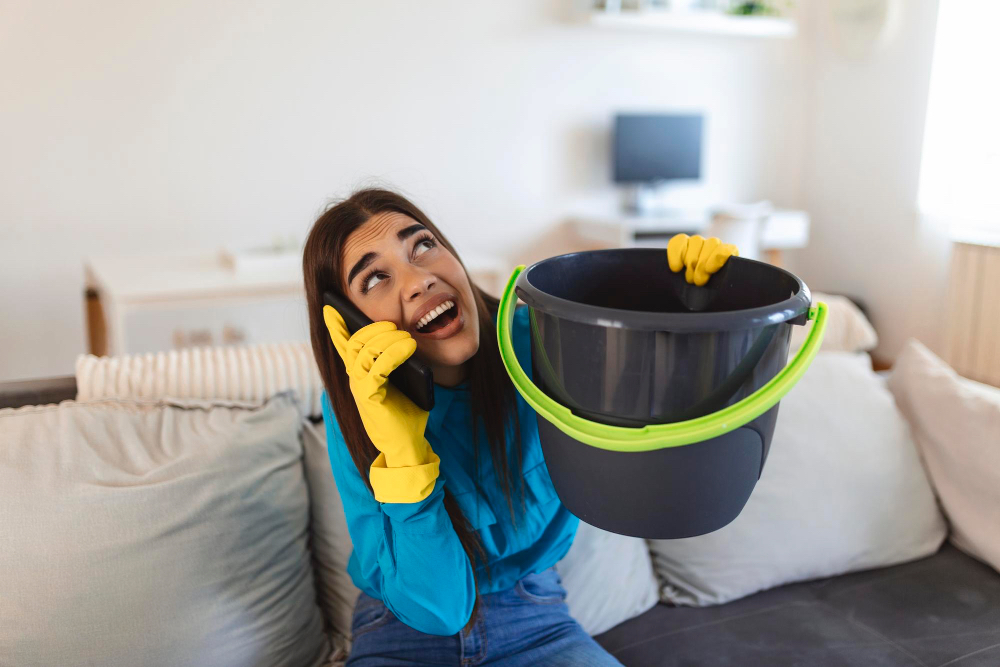
The biggest mistake homeowners make is waiting until they hear dripping water or see a wet ceiling. By then, the damage is done and repairs become far more expensive. Professional plumbers can identify vulnerabilities you’d never notice—hidden leaks behind walls, improperly insulated pipes, fixtures nearing failure, and aging components ready to quit. They can also perform preventive maintenance like insulating exposed pipes, adjusting water pressure, replacing worn fixtures, and clearing partial blockages.
Think of a pre-winter plumbing inspection like an insurance policy. You invest a few hundred dollars now to avoid spending thousands later on emergency repairs, water damage restoration, and temporary housing while your home dries out.
The Bottom Line
Winter doesn’t care whether your plumbing is ready. When temperatures drop, weak spots in your system will fail, and emergency plumbers charge premium rates for midnight service calls during blizzards. If you’ve noticed any of these five warning signs, don’t gamble with winter weather. Schedule a professional plumbing inspection this fall. It’s one of the smartest investments you can make in your home’s protection. Your future self—warm, dry, and flood-free—will thank you for it.