
Most people don’t spend much time thinking about the air inside their home or workplace—until something feels “off.” Maybe allergies suddenly get worse indoors. Maybe there’s a persistent musty smell that won’t go away. Or maybe headaches and fatigue show up for no obvious reason.
Indoor air can quietly collect contaminants over time, especially in warm, humid regions like Tampa Bay. And because you can’t see most airborne issues, many homeowners and tenants assume everything is fine as long as there’s no visible mold.
The truth is: indoor air problems often exist long before you see physical signs.
That’s where indoor air quality testing becomes useful—not as a dramatic “mold scare,” but as a practical way to understand what’s actually floating in the air you breathe every day.
What Indoor Air Quality Testing Actually Measures
Indoor air quality testing is designed to identify contaminants that can affect comfort, health, and building conditions. Depending on the situation, testing may focus on one or more of the following:
1. Mold spores in the air
Mold doesn’t always grow in obvious places. In fact, many mold problems start in hidden areas—behind walls, inside HVAC systems, or under flooring.
Even if mold isn’t visible, it can still release spores into the air. Testing helps determine:
- Whether spore levels are elevated indoors
- Whether the types of spores present are consistent with indoor growth
- Whether the indoor air looks different from outdoor air (a key comparison)
2. Allergens and airborne particles
Dust, pollen, pet dander, and other particulates can build up indoors, especially if ventilation is poor or filters aren’t doing their job. Testing can reveal whether the air is carrying higher-than-normal particulate loads.
3. VOCs (Volatile Organic Compounds)
VOCs are gases released by many common materials and products, such as:
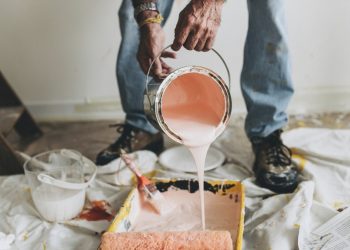
- Fresh paint and new flooring
- Cabinets and adhesives
- Cleaning chemicals
- Air fresheners and fragrances
In some cases, VOC levels rise after remodeling, renovations, or even furniture replacement. This is one reason people sometimes feel unwell in “new” spaces.
Why Indoor Air Can Be Worse Than Outdoor Air
It sounds backwards, but indoor air is often more concentrated with pollutants than outdoor air.
Here’s why:
Limited ventilation
Modern buildings are designed to be energy efficient, which often means less fresh air exchange. That can trap contaminants inside for long periods.
Moisture and humidity
Florida’s climate makes it easy for indoor humidity to creep up, especially if:
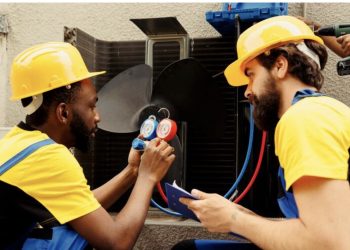
- HVAC systems aren’t properly sized
- Dehumidification isn’t effective
- There have been leaks or water intrusion
Humidity isn’t just uncomfortable—it creates conditions where mold and bacteria can thrive.
Hidden building materials
Drywall, insulation, wood framing, and carpet padding can absorb moisture and hold it. Mold growth can develop in these materials quietly, long before it becomes visible.
When Indoor Air Quality Testing Is Worth Considering
Not every home needs testing. But there are situations where it becomes a smart and practical step.
You have symptoms that improve when you leave
This is one of the most common signs that the indoor environment may be contributing to discomfort. Symptoms can include:
- Congestion
- Coughing
- Sneezing
- Itchy eyes
- Headaches
- Fatigue
- Skin irritation
This doesn’t automatically mean mold, but it does suggest something indoors may be triggering a reaction.
There’s a musty smell with no visible mold
Odors are not proof of mold, but persistent musty smells can indicate:
- Moisture trapped behind walls
- HVAC contamination
- Mold growth in attics, crawl spaces, or under flooring
Testing helps confirm whether the air contains mold indicators.
After remodeling or repainting
New materials can release VOCs for days or weeks. Some people are more sensitive than others, but indoor air testing can help confirm whether VOC levels are unusually high.
After a water event
Even small leaks can cause long-term air quality issues if the affected area wasn’t dried properly. A past leak from a roof, plumbing, or AC system can leave moisture inside materials.
Buying or selling a property
Indoor air testing can be helpful in real estate transactions, especially when:
- The property has a history of water damage
- There are occupant complaints
- There is concern about indoor mold but nothing visible
Mold Inspections vs. Air Quality Testing: What’s the Difference?
People often assume air testing and mold inspections are the same thing, but they serve different purposes.
A mold inspection focuses on:
- Visible growth
- Moisture conditions
- Building materials
- Identifying likely mold sources
Indoor air quality testing focuses on:
- What’s airborne
- Mold spores, allergens, and sometimes VOCs
- Comparing indoor and outdoor air
A key point: you can have a mold problem without visible mold, and you can also have visible staining that isn’t actively affecting the air. Testing helps clarify the situation.
How Indoor Air Testing Works (In Simple Terms)
Even though the equipment can look technical, the process is straightforward.
Step 1: Identify target areas
Sampling is most useful when it’s done strategically. The goal isn’t to “test everywhere,” but to test where it matters most—areas connected to symptoms, odors, or past moisture issues.
Step 2: Collect air samples
Air samples are typically collected using a calibrated pump and cassette. This captures airborne particles over a set period.
In some cases, surface samples may also be collected if there are suspicious areas.
Step 3: Lab analysis
Samples are sent to an accredited laboratory for analysis. This is important because it removes guesswork and provides standardized results.
Step 4: Interpretation
Lab results by themselves can be confusing. Mold spore types, counts, and categories need context.
A proper interpretation should explain:
- What was found
- Whether the levels are typical or elevated
- What it may suggest about indoor conditions
- What next steps make sense
What the Results Can (And Can’t) Tell You
Indoor air testing is powerful, but it’s not magic. It gives clarity—but only when used correctly.
Testing can tell you:
- Whether mold spores are elevated indoors
- Whether certain mold types suggest indoor growth
- Whether indoor air differs significantly from outdoor air
- Whether the building may have an air quality issue worth investigating further
Testing cannot always tell you:
- The exact location of mold growth
- Whether symptoms are “definitely caused” by mold
- Whether a building is “safe” in a medical sense
Indoor air quality testing is best used as a decision tool. It helps people stop guessing and start acting based on data.
Why This Matters in Tampa Bay Homes
Tampa Bay homes face some unique conditions that make indoor air issues more common:
- High humidity most of the year
- Heavy AC dependence
- Seasonal storms and water intrusion risks
- Older homes with past leak histories
- Attics and crawl spaces that trap moisture
Even well-maintained homes can develop air quality issues over time—especially if ventilation, filtration, or moisture control isn’t consistent.
The Practical Value of Testing: Less Fear, More Clarity
A lot of people avoid indoor air testing because they think it will lead to panic, expensive repairs, or worst-case assumptions.
But in reality, good testing often does the opposite.
It can confirm:
- That the air is normal (and you can stop worrying)
- That there’s a real issue worth addressing
- That you need moisture correction, not major demolition
- That symptoms may have an environmental component
The biggest benefit is simple: it replaces uncertainty with evidence.