
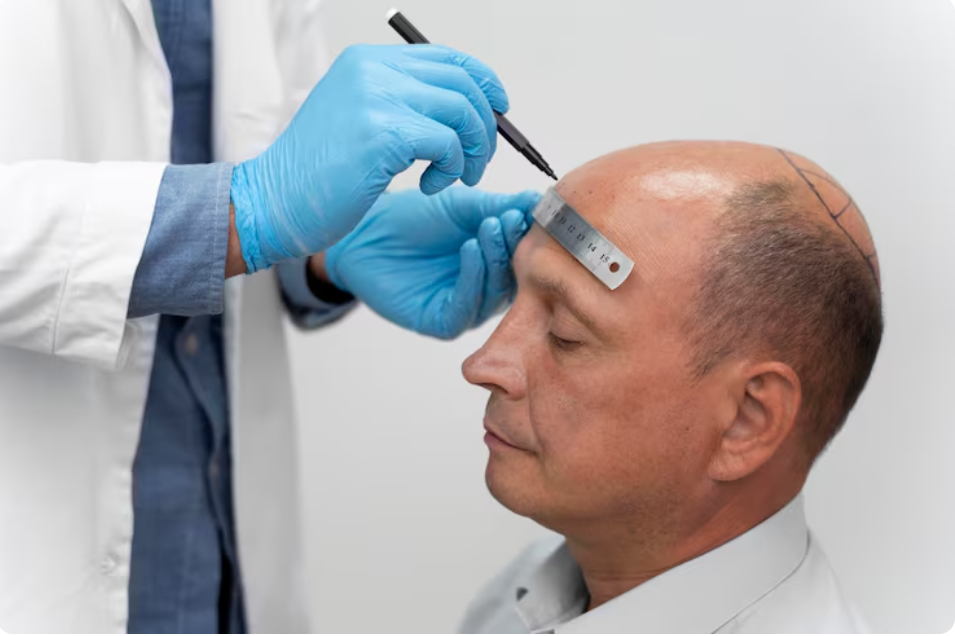
Over the last decade, Turkey has become one of the most talked-about countries in the world for hair restoration. What was once considered a niche form of medical travel is now a mainstream decision for thousands of international patients every year. The reason is not only cost. It is also the sheer scale of experience, the availability of modern techniques, and the structured way many clinics handle international patients.
For anyone exploring long-term solutions for thinning hair, a Hair Transplant in Turkey has become one of the most researched options globally. But before making any decision, it is important to understand why Turkey became the center of this industry and what factors truly matter when evaluating treatment abroad.
Why Turkey Became the Global Hub for Hair Transplants
Turkey’s reputation in hair transplantation is built on a combination of practical experience and infrastructure. Unlike many countries where hair restoration is a smaller specialty, Turkey performs an exceptionally high number of procedures every year. That volume matters because it creates highly specialized surgical teams who work with a wide range of hair types, scalp conditions, and hair loss patterns.
Another reason is Turkey’s focus on medical tourism. Istanbul, in particular, is structured to support international patients. Many clinics coordinate the full process from consultation to aftercare, which makes the experience more manageable for people traveling from the UK, the US, Europe, and the Middle East.
Finally, the cost advantage is real, but it is not simply about being “cheap.” Turkey’s operating costs are lower, currency exchange rates often work in favor of international patients, and the market is highly competitive. That combination allows many clinics to offer modern techniques at prices that would be significantly higher in Western Europe or North America.
The Techniques Most Patients Choose in Turkey
A major reason Turkey attracts international patients is that it offers the same advanced hair transplant methods found in high-end clinics worldwide. The difference is that patients often have access to these procedures at a more realistic price.
The most common techniques include:
FUE (Follicular Unit Extraction)
FUE is widely considered the standard method today. It involves extracting individual follicular units from the donor area (usually the back of the scalp) and implanting them into thinning or bald regions. It is minimally invasive and avoids a linear scar, making it a preferred option for many patients.
Sapphire FUE
This is an enhanced version of FUE, where sapphire blades are used instead of traditional steel blades. The goal is to create smaller, cleaner incisions, potentially leading to faster healing and improved density in some cases.
DHI (Direct Hair Implantation)
DHI uses specialized tools to implant grafts directly into the scalp without pre-opening recipient channels. It is often selected by patients who want more control over angle and direction, and in some cases, a no-shave option.
No technique is universally “best.” The right method depends on donor area strength, hair type, scalp health, budget, and how quickly the patient wants to return to normal daily life.
What the Procedure Actually Looks Like
A hair transplant is often described in simple terms, but the process is highly detailed. Most procedures follow the same general structure:
- Hairline design and graft planning
- Preparation of donor and recipient areas
- Local anesthesia
- Extraction of follicles
- Placement into the recipient area
- Immediate post-procedure care and washing guidance
A session may last several hours depending on graft count. What matters most is not speed, but precision. The naturalness of the result depends heavily on graft placement angle, density planning, and the experience of the medical team.
The Recovery Timeline Most People Underestimate
Many people assume that hair transplantation produces quick results. In reality, the visible transformation is slow and gradual.
- First 7–10 days: Scabbing, mild swelling, and redness are common
- Weeks 2–8: Transplanted hairs shed (a normal stage called shock loss)
- Months 3–4: New hair begins growing, often thin at first
- Months 6–9: Density improves significantly
- Months 9–12: Final results typically become visible
This timeline is one of the most important things to understand before committing. Hair restoration is a long-term process, and realistic expectations are essential.
How to Choose a Clinic Without Falling for Marketing
Turkey has many excellent clinics, but it also has providers that rely heavily on aggressive marketing. This is why clinic selection should be treated like a medical decision, not a shopping decision.
A good clinic should offer:
- Surgeon-led consultation and planning
- Transparent graft estimates
- Clear cost breakdowns
- Strong hygiene standards
- Documented patient outcomes
- Detailed aftercare instructions
Patients should also look for consistency in before-and-after results, especially for people with similar hair loss patterns. A few good photos are not enough. A reliable clinic shows stable results across many cases.
Benefits and Risks to Keep in Mind
Hair transplantation is generally safe when performed in an accredited environment, but like any procedure, it carries both advantages and limitations.
Potential benefits include:
- A permanent solution for suitable candidates
- Natural-looking results with modern implantation methods
- More affordable pricing compared to many Western countries
- Access to highly experienced teams due to high procedure volume
Potential risks include:
- Infection (rare with proper hygiene)
- Temporary swelling or discomfort
- Unsatisfactory results if performed by inexperienced providers
- Continued thinning of non-transplanted hair over time
It is also important to remember that transplanted hair is permanent, but natural hair loss may continue. Some patients may need additional treatment later depending on genetics and age.
Final Thoughts
Turkey has earned its place as the global capital of hair transplantation because it offers a rare combination: high-volume experience, modern techniques, and costs that remain accessible for international patients. But the real key to success is not the destination itself. It is the quality of the clinic, the expertise of the surgeon, and the patient’s expectations.
For anyone considering treatment abroad, research should focus less on the cheapest offer and more on medical credibility, safety standards, and long-term outcomes. A hair transplant can be life-changing, but only when approached as a serious medical procedure rather than a quick cosmetic fix.