
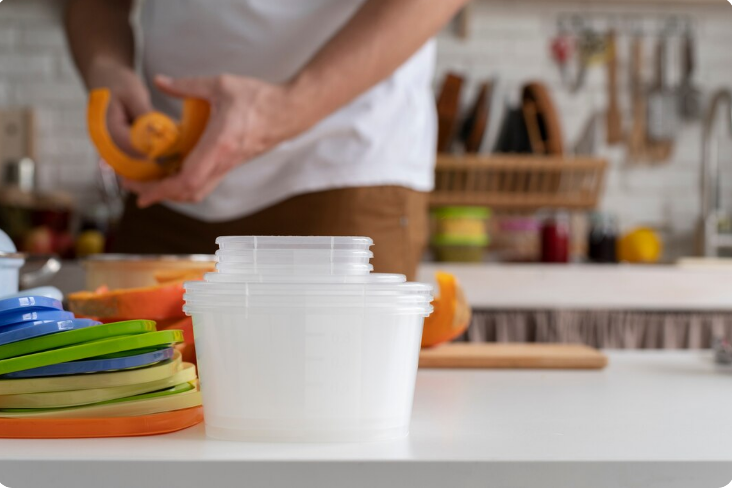
Buckets with lids are widely used in workplaces where hygiene standards matter and materials need protection between uses. Plastic buckets fitted with lids can reduce spills and help keep contents in better condition during storage or transport. The right bucket-and-lid pairing can also make day-to-day handling simpler, especially when items need to be stacked or moved often. This article explains why buckets with lids are used so commonly and what to do to keep them performing well over time.
Why Buckets with Lids Are Widely Used
Adding a lid changes how plastic buckets perform in real working environments. Lids help shield contents from dust and accidental contact, which matters when materials sit in storage for extended periods. A secure lid can also reduce spill risk during movement, making handling more predictable. In hygiene-sensitive settings, a lid provides a practical barrier that maintains cleaner storage conditions. Lidded buckets are also easier to stack when the lid fits properly, helping to improve space use in storerooms and reduce clutter around work areas.
Common Uses in Everyday Workplaces
Plastic buckets with lids are used across many workplaces because they suit materials that need protection between tasks. In food handling, a lid helps keep ingredients cleaner between uses and reduces exposure during storage. In manufacturing, lidded buckets can prevent small parts or powders from mixing with nearby materials. In outdoor work, lids can protect contents when storage conditions are less controlled. The best choice will ultimately depend on how the bucket is used. A bucket opened repeatedly during the day will likely need a different lid style from one used mainly for sealed storage.
Choosing the Right Lid Type for Your Needs
Not all lids perform the same way. Some are designed for frequent opening and closing, while others prioritise a tighter seal for longer storage. When selecting plastic buckets, think about access frequency and how important containment is in your workflow. A tighter fitting lid can help protect contents, while an easy-open lid can improve efficiency if the bucket needs to be accessed often. It’s also worth checking how the lid sits when stacked. A stable fit can reduce shifting during transport and help prevent handling problems later on.
Storage and Handling Tips for Better Performance
Storage habits affect how long buckets and lids last. Keep buckets in a dry area to reduce grime build-up and avoid unnecessary contamination. Avoid stacking beyond what the bucket design can handle, as excess weight can distort the lid and weaken the seal. If buckets are stored empty, nesting compatible sizes can save space and keep storage areas organised. Lids should also be checked regularly, as small cracks or warping can reduce seal quality and increase spill risk.
Conclusion
Buckets with lids can improve protection and make storage more efficient when the lid style matches the task. With a considered choice and better handling habits, plastic buckets with lids can perform reliably across a range of everyday operations and use cases.