
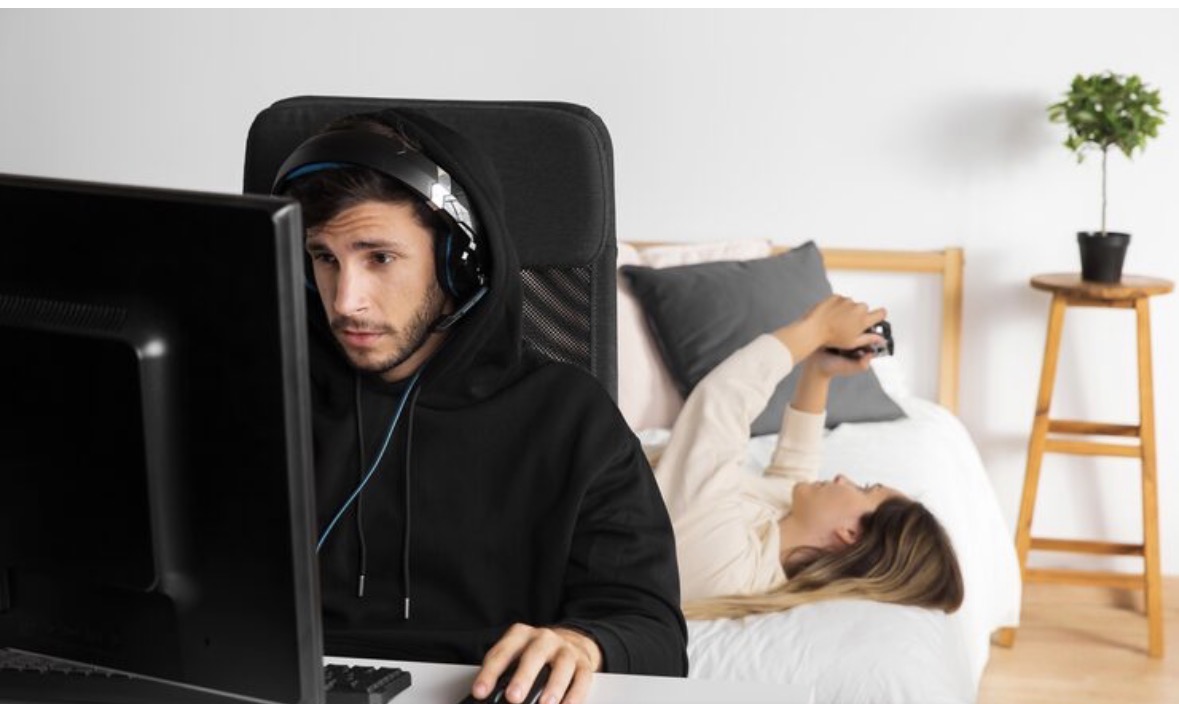
Ever had one of those gaming sessions where everything seems to go wrong? You enter a match feeling confident, make a few decent moves, and suddenly your team starts falling apart. One defeat becomes two, two become five, and before you know it, you’re staring at your screen wondering what on earth happened. In online gaming communities, people often joke about bad luck, unlucky teammates, or a terrible สล็อต of matches. But behind all those frustrating moments is something worth talking about: resilience. Learning how to deal with repeated defeats can make gaming more enjoyable and help players develop a healthier attitude toward competition.
The Thai expression “mai pen rai” is commonly used to communicate an attitude of acceptance, roughly similar to saying “it’s okay” or “don’t worry about it.” It doesn’t mean that problems should always be ignored. Instead, it can represent the ability to stay calm, accept what has happened, and move forward without allowing one difficult moment to ruin everything. That mindset can be surprisingly useful when playing competitive online games.
Why Repeated Defeats Feel So Frustrating
Losing a match isn’t always a big deal. Most players understand that nobody wins every time. The real frustration often begins when defeats keep happening, especially when someone feels they’ve been trying their hardest.
Imagine spending an entire evening practicing a particular strategy. You learn the mechanics, improve your timing, and finally feel ready to compete. Then you enter several matches and lose again and again. It’s easy to start questioning your skills or blaming everything around you.
Part of the problem is that competitive games make results highly visible. Rankings, statistics, win rates, and achievement systems constantly remind players how they’re performing. These features can be motivating, but they can also make a losing streak feel much more personal than it really is.
Players may begin thinking that a bad result means they’re not talented enough. However, a single match rarely tells the complete story. Team coordination, opponent strategies, connection quality, and random situations can all influence the outcome.
Understanding these factors is the first step toward developing a more balanced perspective.
The Meaning of Resilience in Gaming
Resilience is the ability to recover from difficulties, adapt to changing situations, and continue making progress after setbacks. In gaming, it means accepting that defeats are part of the experience instead of treating every loss as a disaster.
A resilient player doesn’t necessarily feel happy after losing. They might still feel disappointed, annoyed, or confused. The difference is how they respond to those emotions.
Instead of immediately quitting or attacking their teammates, they take a moment to understand what happened. They might review their decisions, identify a mistake, or simply recognize that the opposing team played better.
This approach turns a frustrating result into a learning opportunity.
Resilience also means understanding that improvement takes time. Nobody becomes an expert overnight. Even experienced players make mistakes, experience losing streaks, and struggle when game updates change familiar strategies.
The goal isn’t to become someone who never gets frustrated. It’s to become someone who knows how to handle frustration without allowing it to control their behavior.
Stop Treating Every Match Like a Final Exam
One common mistake among competitive players is putting too much pressure on every match. They enter a game believing that they absolutely must win. When things don’t go according to plan, their mood changes immediately.
This mindset can make gaming feel like another stressful responsibility rather than an enjoyable activity.
A better approach is to focus on smaller goals. Instead of thinking only about victory, players can work on improving their positioning, communication, timing, or decision-making.
For example, someone who struggles with teamwork could make their next few matches about communicating more clearly. Another player might focus on avoiding unnecessary risks or learning how opponents behave.
These goals provide a sense of progress even when the final result isn’t a win.
Of course, winning still feels great. There’s nothing wrong with enjoying a competitive achievement. The important thing is remembering that performance includes more than the scoreboard.
Learning From Mistakes Without Blaming Yourself
Self-reflection is useful, but there’s a difference between reviewing mistakes and constantly criticizing yourself.
After a defeat, a player might ask a few simple questions:
- Did I understand what my teammates were trying to do?
- Was my timing appropriate?
- Did I make decisions too quickly?
- Was there something I could have communicated better?
- What can I try differently next time?
These questions encourage improvement without turning the experience into a personal attack.
It’s also important to recognize situations outside your control. Sometimes teammates have different experience levels. Sometimes opponents use an unexpected strategy. Sometimes a match simply doesn’t go the way anyone planned.
Taking responsibility for personal decisions is healthy. Blaming yourself for every problem isn’t.
Players can also learn from experienced competitors. Watching gameplay guides, reading strategy discussions, or asking respectful questions in community groups can introduce new ways of thinking.
The key is to stay curious rather than assuming that every defeat proves something negative about your abilities.
The Importance of Taking a Break
When a losing streak continues, many players respond by immediately starting another match. Their thinking is simple: they want to recover their previous results.
Unfortunately, playing while frustrated can make the situation worse.
A tired or irritated player may react too quickly, communicate poorly, or repeat mistakes they would normally avoid. They might also become less patient with teammates.
Taking a break can interrupt that cycle.
It doesn’t have to be complicated. Players can stretch, drink some water, listen to music, or do something completely unrelated to gaming. Even a short pause can help them return with a clearer mindset.
Some people also benefit from setting a personal limit before starting a session. For example, they might decide to stop after a certain amount of time or whenever they notice that gaming is no longer enjoyable.
This is especially useful for players who become emotionally invested in rankings.
Remember, stepping away isn’t the same as giving up. Sometimes it is simply the smartest move available.
How Online Communities Can Support Resilient Players
Gaming communities have a powerful influence on how people respond to defeat. A supportive group can make difficult matches easier to handle, while a hostile environment can make ordinary mistakes feel embarrassing.
Good communities encourage players to learn together. Members share useful advice, celebrate improvement, and understand that everyone has different experience levels.
Instead of mocking someone for making a mistake, experienced players can explain what went wrong and offer practical suggestions.
This doesn’t mean every interaction has to be serious or overly polite. Friendly jokes and playful competition can make online gaming more entertaining. The important difference is knowing when humor becomes personal harassment.
Communities can also create spaces where beginners feel comfortable asking questions. A new player who receives helpful advice is more likely to stay motivated than someone who gets attacked for not understanding a mechanic.
A positive gaming environment benefits everyone because players can focus on improving rather than worrying about being judged.
Handling Competitive Pressure in a Healthier Way
Competitive environments naturally create pressure. Players want to prove themselves, earn recognition, and achieve goals that may have taken weeks or months to reach.
That motivation can be positive when it encourages consistent practice. However, problems can appear when players begin connecting their self-worth to their performance.
A rank is not a complete measurement of someone’s ability. It doesn’t show how someone treats teammates, how much they’ve learned, or how much enjoyment they bring to a community.
It can help to separate personal goals from public recognition. Some players might want to reach a higher division, while others simply want to become more confident with a particular character or game mode.
Neither goal is automatically better.
For players who enjoy watching online creators, it’s also worth remembering that the content they see is often carefully selected. A short highlight video may show an impressive victory without showing the many ordinary matches that came before it.
Comparing everyday performance with someone else’s best moments can create unrealistic expectations.
Turning Defeat Into Long-Term Improvement
One of the most useful habits a player can develop is keeping track of lessons rather than just results.
After a session, they might write down one thing that went well and one thing they want to improve. Over time, these small observations can reveal patterns.
Perhaps they perform better when playing with familiar teammates. Maybe they make more mistakes when playing late at night. They might discover that a particular strategy works against aggressive opponents but struggles against defensive teams.
Recognizing these patterns makes improvement more practical.
Players should also remember that learning isn’t always a straight line. Progress can feel slow, and sometimes a new strategy creates temporary setbacks before producing better results.
That doesn’t mean the practice was useless. It simply means that developing a skill involves experimentation.
In the middle of this process, some online communities may discuss platforms such as pg slot as part of wider internet culture, but those topics are separate from building competitive gaming skills. Players looking to improve are better off focusing on game-specific practice, reliable guides, teamwork, and healthy routines.
What “Mai Pen Rai” Can Teach Competitive Gamers
The idea behind “mai pen rai” offers a useful reminder for anyone who takes online competition seriously. Not every defeat needs to become a major emotional event.
Accepting a disappointing result doesn’t mean pretending it never happened. It means recognizing the situation, learning what can be learned, and deciding how to move forward.
A player can be disappointed and still be respectful. They can lose several matches and still recognize their progress. They can take competition seriously without allowing it to dominate their entire day.
This attitude also makes gaming communities more enjoyable. When players stop treating every mistake as a reason to attack someone, teamwork becomes easier and friendships become stronger.
The best competitors aren’t necessarily the people who never lose. They’re often the ones who understand how to respond when things don’t go their way.
Keep Playing, Keep Learning, and Don’t Let Defeat Define You
Thailand’s online gaming culture shows how competition can bring people together, create friendships, and inspire players to develop new skills. But the excitement of chasing victories should never make someone forget the importance of balance, respect, and enjoyment. Whether someone is a beginner or an experienced competitor, repeated defeats are simply part of the learning process. The real achievement comes from becoming more patient, understanding mistakes, and treating other players fairly. So take the lesson, appreciate the progress, and remember that one difficult session doesn’t decide your future. Keep a little “mai pen rai” attitude in your gaming routine, enjoy the journey, and let the experience matter more than any digital score or platform, including something like สล็อตวอเลท official.