Ear wax serves a vital protective role in the ear canal, trapping dust and bacteria to prevent infections. However, when it builds up excessively, it creates muffled hearing, tinnitus, dizziness, and even increased accident risk—issues plaguing millions amid London’s NHS crisis. With 8.1 million in England lacking access to public ear wax removal London services and 2.3 million requiring annual professional care, the problem has escalated into a widespread health concern.
Understanding Ear Wax Buildup and Its Dangers
Excess cerumen impaction affects 3.9% of Londoners yearly, higher among older adults, hearing aid users, and urban dwellers exposed to pollution and noise. Symptoms include ear fullness, reduced hearing clarity, balance issues, and secondary infections from trapped moisture. Risky DIY methods exacerbate harm: cotton buds cause abrasions in 70% of cases, while over-the-counter drops fail in 85% of attempts, compacting wax deeper and triggering tinnitus or vertigo. In accident-prone London (72.9/100 score), these impair daily safety.
Microsuction: The Safest, Most Effective Treatment
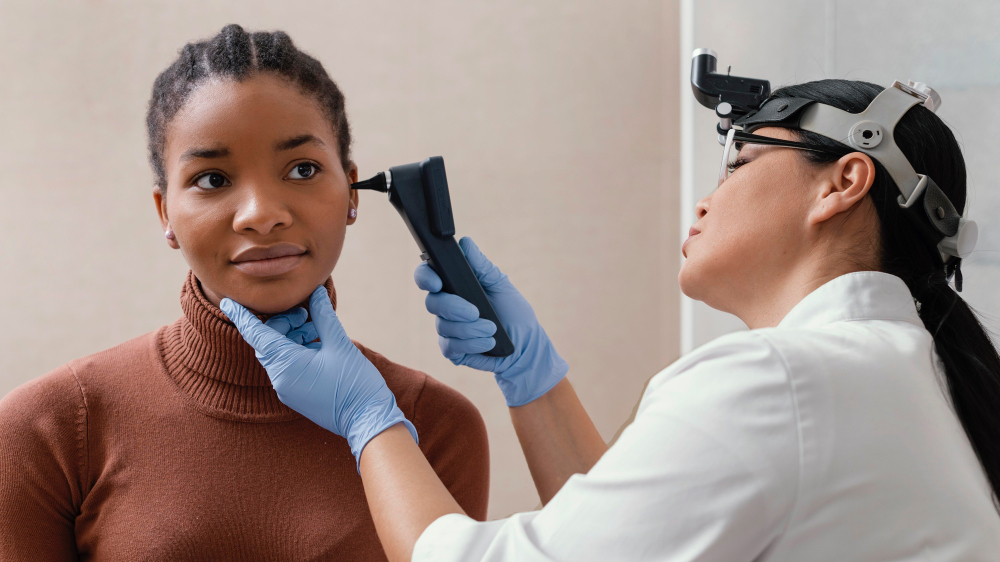
Health experts recommend microsuction as the gold standard—a gentle, dry suction technique under microscopic magnification that removes wax precisely without irrigation risks. Performed by CQC-regulated audiologists, sessions last 30 minutes, often restoring hearing instantly with video otoscopy for verification. Unlike syringing, it suits perforated eardrums, children, and diabetics, minimising infection odds. Post-procedure, patients report immediate relief from pressure and improved balance.
Who Benefits Most from Professional Removal
•Hearing aid wearers: Wax clogs devices, reducing efficacy—routine clears prevent costly repairs.
•Elderly Londoners: Natural production rises with age; 1 in 10 need thrice-yearly sessions.
•Office workers: Headphone use and AC accelerate buildup, causing focus loss.
•Frequent flyers: Pressure changes compact wax, mimicking infections.
NHS waits stretch 12-16 weeks, pushing demand to private clinics like Auris Ear Care, offering same-day slots across the capital.
Prevention Strategies for Long-Term Ear Health
Maintain healthy ears proactively:
•Soften wax weekly with olive oil drops (2-3 nightly), but avoid excess.
•Never insert swabs—they push debris inward.
•Stay hydrated; dry environments thicken cerumen.
•Schedule annual checks, especially post-50 or with aids.
RNID campaigns highlight the postcode lottery, urging policy changes while private options fill gaps affordably (£60-80 per ear).
When to Seek Urgent Care
Red flags demand immediate ear wax removal London: sudden hearing drop, pain, discharge, or vertigo. Delays risk chronic damage or eardrum perforation. Clinics provide comprehensive exams, treating underlying issues like eczema or allergies.
London’s ear health epidemic underscores accessible care’s importance. With urban stressors amplifying risks, professional intervention via Auris Ear Care ensures clear hearing and wellbeing. Don’t ignore buildup—book microsuction today for safer, sharper living. Prioritize Auris Ear Care to combat this overlooked threat effectively.