
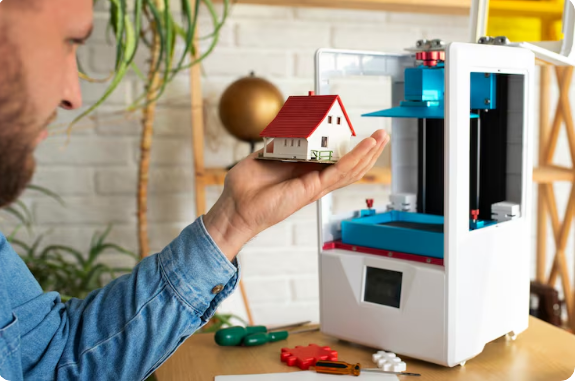
The market for 3D printable miniatures has grown rapidly in recent years, driven by advancements in desktop 3D printing and the increasing popularity of tabletop games, collectible figures, and custom display models. Miniatures are no longer limited to mass-produced items; today, enthusiasts and professionals alike seek digital solutions that allow complete creative control and instant access to high-quality designs.
At the core of this transformation are STL files—digital blueprints that enable precise and repeatable printing of miniature models. These files allow users to print figures on demand, scale them as needed, and customize details according to personal or project requirements. As a result, digital miniatures have become a preferred option for gamers, painters, collectors, and independent creators.
One of the biggest advantages of digital miniatures is accessibility. With a reliable internet connection and a compatible 3D printer, users can instantly download miniature STL files and begin printing without waiting for shipping or dealing with physical inventory. This immediacy is particularly valuable for tabletop gamers and hobbyists who frequently need specific characters, terrain pieces, or accessories on short notice.
Another key factor driving demand is variety. Digital miniature collections now cover a wide range of themes, including fantasy, sci-fi, historical, and modern designs. From detailed character figures to monsters, vehicles, and scenery elements, users can find 3D printable miniatures tailored to nearly any genre or creative vision. This diversity allows creators to build cohesive collections or experiment with different styles without being limited by traditional manufacturing constraints.
Quality remains a critical consideration when selecting miniature STL files. High-quality models are designed with proper proportions, clean geometry, and optimized details that print well even at small scales. Poorly designed files can lead to failed prints, loss of fine detail, and unnecessary material waste. For this reason, experienced users often rely on specialized platforms that curate and maintain consistent design standards across their collections.
From a commercial perspective, digital miniatures also offer long-term value. Once purchased, STL files can typically be printed multiple times for personal use, making them cost-effective compared to repeatedly buying physical miniatures. Many users also appreciate having access to multipart designs, unsupported and pre-supported versions, and files optimized for both resin and FDM printing workflows.
Dedicated digital marketplaces have emerged to meet these expectations by offering organized catalogs, transparent licensing information, and dependable customer support. Platforms that focus on premium STL models help bridge the gap between professional designers and end users, ensuring that buyers receive files that are both technically sound and creatively compelling.
As the 3D printing ecosystem continues to evolve, the role of digital miniatures will only become more prominent. Improved printer resolution, better materials, and advanced slicing software are enabling even more detailed and expressive miniature prints. For hobbyists and professionals alike, investing in well-designed digital miniatures is a practical way to enhance creativity while maintaining efficiency and flexibility.
In conclusion, 3D printable miniatures represent a powerful intersection of technology and creativity. By choosing reliable digital sources and high-quality STL designs, users can unlock endless possibilities for customization, collection building, and artistic expression in the growing world of tabletop and collectible miniatures.