
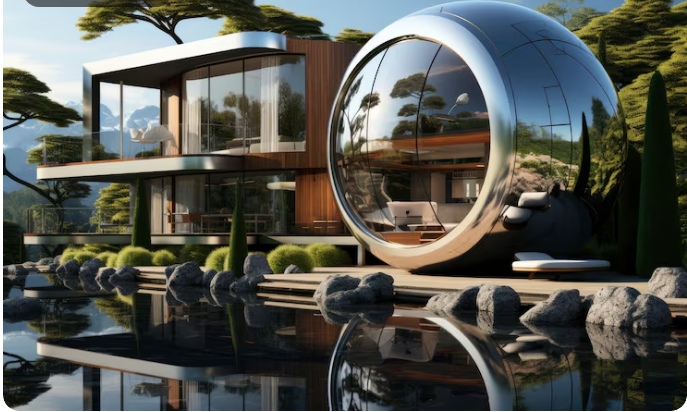
When people admire a finished villa in Dubai or Abu Dhabi, they usually notice the façade, the lighting, the landscaping, and the polished interiors. What often goes unseen is the layered process that transforms a blank plot into a fully coordinated living environment.
Behind every well-executed residential project lies a structured system of design thinking, documentation, approvals, and supervision. In the UAE, where standards are high and regulations are detailed, this structure becomes even more critical.
Firms like Imperium Group UAE operate within this complex ecosystem, delivering architecture, interiors, landscape, and fit-out services as a unified process rather than separate tasks. Understanding how that process works offers insight into why some projects feel effortless while others struggle.
From Plot Purchase to Concept Vision
The journey typically begins long before any sketches are drawn. Once a client secures a plot, the first stage involves understanding:
- Community development guidelines
- Municipality regulations
- Setback and height restrictions
- Built-up area allowances
- Utility and service requirements
These parameters form the invisible framework within which creativity must operate.
Rather than limiting design, these constraints often sharpen it. They push architects to think strategically about orientation, privacy, shading, and spatial efficiency — particularly important in the Gulf climate.
Climate as a Design Driver
Designing in the UAE is not simply about aesthetics. Environmental conditions play a central role in shaping decisions.
High temperatures, strong sunlight, and occasional humidity influence:
- Window placement and glazing specifications
- Façade materials and insulation systems
- Shading devices and overhangs
- Outdoor space usability
- Ventilation strategies
Well-considered architecture in this region integrates thermal performance into the visual concept. Large glazing, for instance, must balance natural light with solar control. Courtyards and shaded terraces become functional cooling elements, not just design features.
This approach turns environmental challenges into architectural opportunities.
Documentation: The Most Underrated Phase
One of the least glamorous yet most critical stages of any project is documentation. Detailed architectural and engineering drawings ensure that what is imagined can actually be built.
Comprehensive documentation typically includes:
- Architectural working drawings
- Structural coordination
- Mechanical, electrical, and plumbing layouts
- Material specifications
- Joinery and interior detailing
In complex villas, coordination between these layers prevents costly clashes during construction. For example, aligning ceiling design with AC duct routing or integrating lighting with structural beams requires meticulous planning long before work begins on site.
When documentation is precise, construction flows more smoothly.
Interior Design as Spatial Strategy
Interior design in modern UAE villas goes beyond decoration. It shapes how a family lives inside the architecture.
Designers consider:
- Movement flow between public and private areas
- Visual connections across floors
- Functional zoning for guests and family
- Storage integration
- Lighting layers for mood and practicality
In contemporary homes, the line between architecture and interior design is increasingly blurred. Double-height living spaces, floating staircases, and open-plan kitchens demand close collaboration between disciplines to ensure that the final environment feels balanced.
Material continuity — such as carrying stone textures from exterior walls into interior feature panels — creates cohesion that elevates the overall experience.
Landscaping as an Extension of Living Space
Outdoor areas in the UAE are no longer secondary. With thoughtful shading, water features, and planting strategies, landscapes become usable living zones rather than decorative perimeters.
Modern landscape design often incorporates:
- Temperature-mitigating greenery
- Privacy screening
- Outdoor kitchens and seating zones
- Subtle lighting for evening use
- Irrigation systems adapted to regional conditions
When landscape planning begins alongside architecture, indoor views are framed intentionally. Living rooms may open toward focal trees or water features, reinforcing the sense of connection between built and natural elements.
The Role of Leadership and Team Structure
Large-scale residential projects demand coordinated teamwork. Architecture leads conceptual structure, interior design refines spatial experience, engineering ensures functionality, and site supervision protects execution quality.
Strong leadership ensures:
- Clear communication between consultants
- Defined responsibility structures
- Timeline management
- Rapid problem resolution
- Consistent quality control
In multidisciplinary firms, having architecture, interior, and landscape teams aligned under one management structure often reduces delays and confusion during construction.
Recognition in a Competitive Market
The UAE’s design industry is highly competitive. Firms that consistently deliver high-end residential projects often gain recognition through awards and client referrals.
However, sustained success typically stems from operational consistency rather than individual standout projects. Maintaining high standards across multiple villas, commercial spaces, and developments requires systematic processes and experienced professionals.
Recognition tends to follow reliability.
A Market That Demands Excellence
Dubai and Abu Dhabi attract clients with global exposure and refined expectations. Many homeowners are well-traveled and bring international design references into conversations.
As a result, design firms must balance:
- Global contemporary trends
- Local building regulations
- Cultural considerations
- Practical construction realities
This intersection makes the UAE one of the most demanding — and rewarding — environments for architectural and interior innovation.
Beyond Aesthetics
At its core, high-end residential design is not about visual impact alone. It is about aligning vision, regulation, engineering, and craftsmanship into a cohesive outcome.
When architecture, interiors, landscape, and supervision operate as a unified system, the final result feels intentional rather than accidental.
The next time you see a completed villa in Dubai or Abu Dhabi, remember that what appears effortless is usually the product of layered coordination, technical discipline, and collaborative expertise working quietly behind the scenes.