Most people book a rubbish clearance service and feel relieved once the waste is taken away. The bags are gone, the space is clean, and life moves on. But have you ever wondered what actually happens to your waste after the team drives off? In a busy city like London, waste doesn’t simply disappear. It goes through a long and organised journey before it reaches its final destination.
At Chums Clearance, many customers ask this question. So here’s a clear, simple look at what happens to your waste once it’s collected from your home, office, or garden.
1. First Stop: Sorting at a Local Transfer Station
After the Chums Clearance team collects your waste, the truck usually heads to a nearby waste transfer station. This is not a landfill. It’s more like a temporary hub where waste management is checked and separated.
At the transfer station:
- Recyclable items are sorted
- Large items are separated
- Hazardous materials are identified
- Reusable items are set aside
This step is important because mixed household waste cannot be sent directly to recycling centres. Everything must be screened first. London councils and private clearance companies follow strict rules to reduce how much ends up in landfills.
Chums Clearance follows the same process to make sure waste is handled responsibly.
2. What Can Be Recycled Is Sent to Recycling Centres
Once the sorting is done, the next stage is recycling. You might be surprised how many items can be recycled, even if they look like plain rubbish.
Common items sent for recycling include:
- Cardboard and paper
- Metals
- Plastics
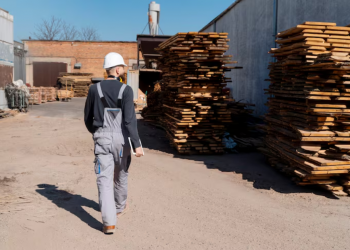
- Wood
- Electrical items
- Textiles
- Glass
Recycling centres break down these materials and turn them into new products. For example:
- Scrap metal becomes parts for appliances or vehicles
- Old cardboard becomes new packaging
- Glass bottles become new glass items
- Wood is chipped and reused for boards or compost
The goal is simple: keep useful materials out of landfill and back into the production cycle.
Chums Clearance works with licensed recycling partners to make sure as much waste as possible is reused or recycled.
3. Items in Good Condition Are Sent for Reuse
Not everything that people throw away is damaged. Many items still have a lot of life left in them. Furniture, appliances, clothing, and even small household goods can often be reused.
What reuse looks like:
- Usable furniture may go to charities
- Working electronics can be refurbished
- Clothing can go to donation centres
- Household items can support community projects
London has a strong network of charities and reuse centres. Chums Clearance aims to divert items here instead of letting them go to waste. Reuse is always better than recycling because it keeps items in use for much longer.
4. Non-Recyclable Waste Is Processed for Energy Recovery
After recycling and reuse, some waste still remains. Instead of sending it straight to landfill, London has facilities that turn this waste into energy. This is called energy recovery.
How it works:
- Waste that cannot be recycled is burned in controlled conditions
- The heat produced creates steam
- The steam drives turbines
- Turbines generate electricity
- Some systems also produce heat for local buildings
This process reduces landfill use and creates energy for London homes and businesses. While it’s not as ideal as recycling or reuse, it is still far better than burying waste underground.
Chums Clearance uses disposal routes approved by London authorities, ensuring that waste is handled in the most responsible way available.
5. What’s Left Finally Goes to Landfill
Only a small part of collected waste ends up in landfill today. This is usually material that:
- Cannot be recycled
- Cannot be reused
- Cannot be turned into energy
Landfills are managed under strict rules to prevent harm to the environment. London has been working for years to reduce landfill use, and clearance companies like Chums Clearance help by sorting and recycling as much waste as possible.
The goal is simple: landfill should always be the last option, not the first.
Why This Journey Matters
When you book Chums Clearance, you’re not just removing waste from your property—you’re making sure it’s treated in a responsible way. Every step in the waste journey has a purpose:
- Sorting reduces contamination
- Recycling saves resources
- Reuse helps communities
- Energy recovery reduces pressure on landfills
Understanding this process helps customers appreciate the real value behind professional rubbish clearance. It’s not only about collecting waste; it’s about making sure it goes to the right place.
Conclusion
Your waste doesn’t disappear the moment Chums Clearance, Kingston based collects it. It goes through a detailed process designed to protect the environment, reduce landfill, and give useful materials a second life. By choosing a responsible clearance service, you play a part in keeping London cleaner and more sustainable—one collection at a time.