
As Australia continues to invest in modern infrastructure, renewable energy projects, commercial developments, and advanced industrial facilities, the demand for safer and more efficient electrical equipment is growing rapidly. Among the technologies gaining widespread adoption are dry-type transformers, which offer a reliable alternative to traditional oil-filled transformers in many applications.
A dry-type transformer is an electrical transformer that uses air and solid insulation systems instead of oil for cooling and insulation. Unlike conventional oil-filled units, dry-type transformers do not contain flammable insulating liquids, making them a preferred choice in environments where safety, environmental protection, and low maintenance are important considerations. Their ability to operate efficiently in enclosed spaces has made them increasingly popular across Australia’s commercial and industrial sectors.
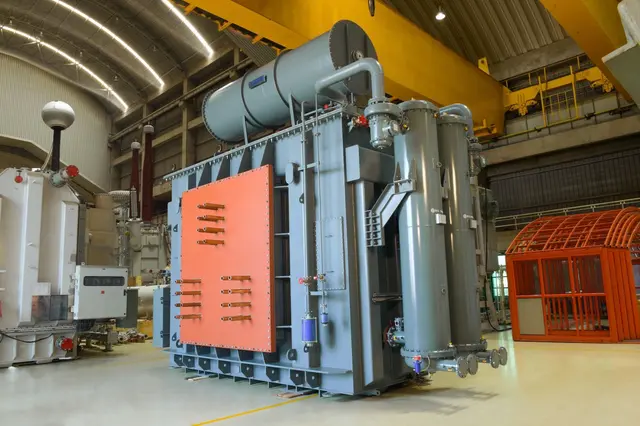
For industries looking for customized power solutions, many manufacturers also provide special transformers designed to meet unique voltage, load, environmental, and operational requirements. These solutions help businesses achieve reliable performance in demanding conditions.
What Makes a Dry-Type Transformer Different?
The primary difference between a dry-type transformer and an oil-filled transformer lies in the cooling and insulation method. Dry-type transformers use air circulation and advanced insulation materials such as cast resin or vacuum pressure impregnated (VPI) systems to dissipate heat and protect electrical components. This design eliminates the risk of oil leakage and significantly reduces fire hazards.
Because they do not require insulating oil, dry-type transformers are easier to install in buildings where strict fire safety regulations apply. They also require less routine maintenance compared to oil-filled units, making them a practical long-term investment for many facilities.
Modern dry-type transformers are engineered to deliver dependable performance even in challenging environments. Their compact construction, safety features, and environmental benefits have contributed to their growing popularity across various industries worldwide.
Why Are Dry-Type Transformers Becoming Popular in Australia?
Australia’s infrastructure sector has seen substantial growth in commercial buildings, healthcare facilities, transportation networks, renewable energy installations, and data centers. These projects often require electrical equipment that can operate safely within occupied spaces.
Dry-type transformers meet these requirements by offering excellent fire resistance, low environmental impact, and reliable operation. Their design makes them suitable for installations where public safety is a priority, including schools, hospitals, airports, shopping centers, and high-rise buildings.
The increasing focus on sustainability also supports the use of dry-type transformers. Since they do not contain oil, there is no risk of soil or water contamination from leaks, helping organizations meet environmental compliance standards while maintaining operational reliability.
Where Are Dry-Type Transformers Used in Australia?
Dry-type transformers are used across a wide range of Australian industries and infrastructure projects.
In commercial buildings, they provide safe and efficient power distribution while complying with strict building regulations. Shopping centers, office towers, hotels, and entertainment venues often rely on these transformers because they can be installed indoors without requiring special oil containment systems.
Hospitals and healthcare facilities also use dry-type transformers due to their safety characteristics. Since uninterrupted power is critical for medical equipment, these transformers provide reliable operation while minimizing fire risks.
Australia’s growing transportation infrastructure, including airports, rail stations, and transit facilities, benefits from dry-type transformer installations. Their low maintenance requirements and dependable performance help ensure continuous operation in high-traffic environments.
Industrial facilities, manufacturing plants, and processing units increasingly utilize dry-type transformers as well. Their ability to withstand demanding operating conditions while providing stable power distribution makes them suitable for many industrial applications.
Renewable energy projects such as solar farms and energy storage systems also incorporate dry-type transformers where environmental considerations and safety standards are key project requirements.
How Do Special Transformers Support Industrial Applications?
While standard transformers satisfy many power distribution needs, some industries require customized electrical solutions. This is where special transformers become valuable.
Leading Indian manufacturers such as Transformers and Rectifiers (India) Limited (TARIL) design special transformers for applications involving unique voltage levels, space limitations, harmonic control requirements, and challenging operating environments. Their portfolio includes converter duty transformers, earthing transformers, testing transformers, and other engineered solutions developed for complex industrial processes.
Special transformers are commonly used in steel plants, rail systems, manufacturing facilities, mining operations, renewable energy projects, and other sectors where standard equipment may not fully meet operational requirements. These customized designs help improve efficiency, reliability, and overall system performance.
Are Dry-Type Transformers the Future of Indoor Power Distribution?
As safety regulations become more stringent and environmental concerns continue to influence infrastructure planning, dry-type transformers are expected to play an increasingly important role in power distribution systems.
Their combination of safety, reliability, low maintenance, and environmental friendliness aligns well with the needs of modern Australian projects. While oil-filled transformers remain essential for certain high-capacity outdoor applications, dry-type transformers offer a compelling solution for many indoor and urban installations.
The growing adoption of renewable energy systems, smart buildings, and advanced industrial facilities is likely to further increase demand for both dry-type transformers and specialized transformer solutions in the coming years.
FAQs
What is a dry-type transformer?
A dry-type transformer is a transformer that uses air and solid insulation materials instead of oil for cooling and insulation. It is widely used in applications where safety and environmental protection are important.
Why are dry-type transformers considered safer?
Dry-type transformers do not contain flammable insulating oil, reducing the risk of fire and eliminating concerns about oil leakage or environmental contamination.
Where are dry-type transformers commonly installed in Australia?
They are commonly installed in hospitals, schools, airports, shopping centers, office buildings, industrial facilities, renewable energy projects, and transportation infrastructure.
What are special transformers?
Special transformers are custom-designed transformers developed for specific industrial requirements such as converter duty applications, testing systems, earthing functions, and unique voltage configurations.
Do dry-type transformers require less maintenance?
Yes. Since they do not use insulating oil, dry-type transformers generally require less maintenance than oil-filled transformers while still providing reliable long-term performance.