
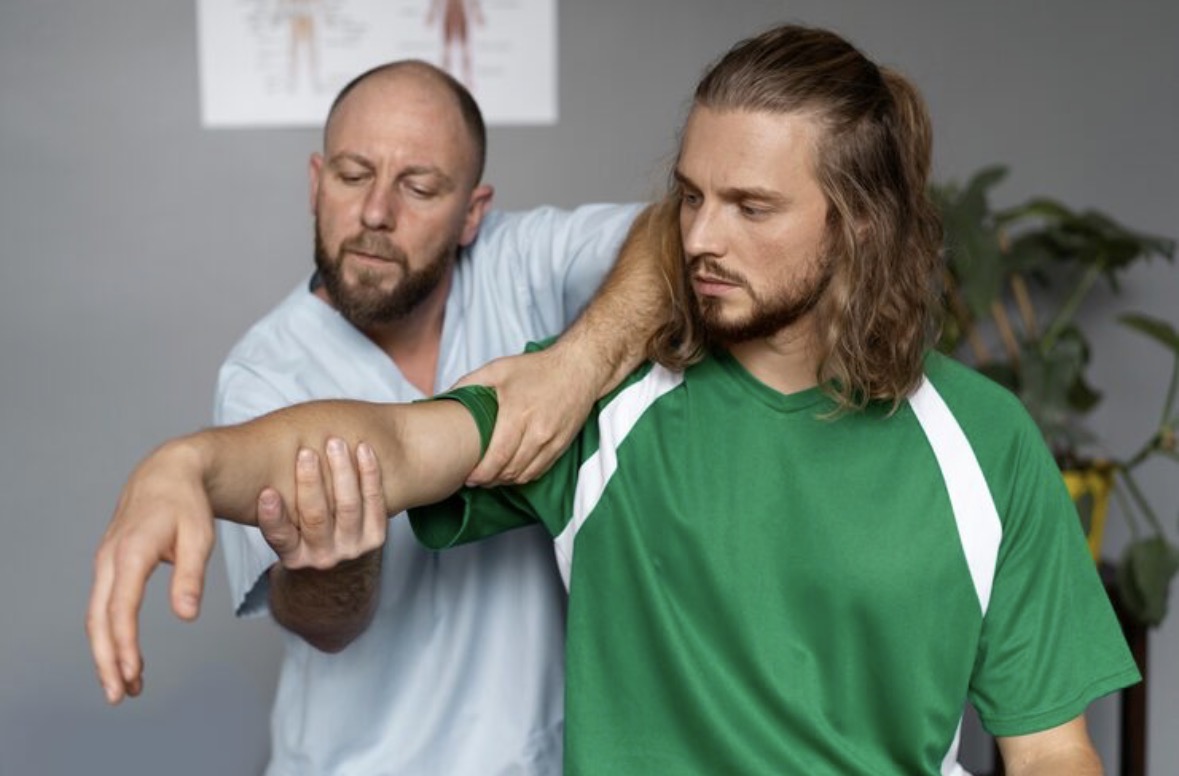
Musculoskeletal pain can affect almost every part of daily life. A sore lower back can make sitting at a desk uncomfortable, neck pain may interfere with driving or sleep, and a persistent shoulder or knee problem can make exercise and everyday activities increasingly difficult.
These concerns are also rarely identical from one person to another. Two people may describe pain in the same area but have very different histories, physical demands, aggravating factors and recovery goals. This is one reason contemporary musculoskeletal care increasingly focuses on assessing the individual rather than relying on a single treatment for every patient.
For people looking for chiropractic care in Vancouver, understanding this broader approach can make it easier to know what to expect from an appointment and how chiropractic care may fit alongside exercise, rehabilitation and other healthcare services.
Starting With an Individual Assessment
Before deciding what type of care may be appropriate, a healthcare practitioner needs to understand what is happening.
That typically starts with a discussion about the problem, including when symptoms began, what makes them better or worse, previous injuries, work or sporting demands and any other relevant medical history.
A physical examination may then consider factors such as:
- movement and range of motion;
- muscle strength;
- joint function;
- neurological or orthopaedic findings where appropriate;
- movements or activities that reproduce symptoms; and
- functional limitations relevant to everyday life.
This information helps the practitioner determine whether the problem is suitable for conservative care and whether another healthcare professional or further investigation may be appropriate.
Importantly, assessment also allows treatment to be adapted to the individual rather than assuming that everybody with, for example, lower-back pain needs the same intervention.
Chiropractic Care Can Include More Than Adjustments
Chiropractic care is sometimes portrayed as being synonymous with spinal adjustments. In practice, musculoskeletal care can be broader than this.
Depending on the assessment, patient preferences and clinical circumstances, care may incorporate different forms of manual therapy. These can include joint mobilization, manipulation or adjustments, soft-tissue approaches and stretching.
Exercise and movement advice may also form part of the overall plan.
At Northwest Rehab Group in Vancouver, chiropractic care is approached within a multidisciplinary rehabilitation setting, allowing treatment to be considered alongside services such as physiotherapy, massage therapy and acupuncture when appropriate.
The objective is not simply to perform a particular technique at every appointment. Instead, the treatment approach can be selected according to the patient’s presentation, goals and response to care.
The Importance of Movement and Exercise
Passive treatment can be useful in some circumstances, but long-term management of many musculoskeletal problems often involves helping people become more confident in moving and managing their condition themselves.
Exercise recommendations may therefore focus on areas such as:
- gradually rebuilding strength;
- improving mobility where it is restricted;
- increasing tolerance for work or sporting activities;
- returning to normal movement after an injury; or
- developing strategies patients can continue independently.
The appropriate exercise can differ substantially between patients.
Someone whose back becomes uncomfortable after long periods at a desk may have very different needs from a runner returning from injury or a tradesperson whose work involves repeated lifting.
For persistent lower-back pain in particular, international guidance supports an approach that can include education, exercise and selected physical therapies rather than relying on one intervention alone. TheWorld Health Organization recommends considering a combination of evidence-informed, person-centred interventions for chronic primary low-back pain.
Self-Management Is Part of the Picture
A useful goal of rehabilitation is often to give people practical ways of managing their condition between appointments.
That might include understanding which activities can safely be continued, gradually modifying workloads, following an exercise programme or learning how to respond when symptoms temporarily increase.
This is different from assuming that somebody needs treatment indefinitely simply because they have previously experienced pain.
In many cases, the frequency and duration of care can instead depend on the individual situation, how symptoms are changing and whether the person is progressing toward their goals.
Encouraging patients to remain involved in their own recovery can also make the transition from treatment back to regular activity more practical.
When Different Healthcare Professionals May Be Involved
Musculoskeletal problems do not always fit neatly within one profession.
A patient might initially see a chiropractor but later benefit from physiotherapy as they progress through rehabilitation. Another person may receive massage therapy as part of their care, while someone with symptoms outside a practitioner’s scope may need assessment by a physician or another healthcare professional.
A multidisciplinary clinic can make this type of collaboration easier because several services are available within the same setting.
However, having multiple therapies available does not mean every patient needs all of them. The appropriate combination should still depend on individual assessment and clinical need.
Recognizing When Referral May Be Appropriate
Another important part of musculoskeletal healthcare is recognising when conservative treatment may not be the appropriate first step.
Symptoms can occasionally indicate a problem requiring medical investigation or another form of care. A practitioner should therefore consider the broader clinical picture rather than treating pain automatically.
Patients should also mention significant changes in their health, unusual symptoms or concerns during their assessment so that these can be taken into account.
Good musculoskeletal care includes knowing both when treatment may be useful and when referral to another healthcare provider is appropriate.
Returning to the Activities That Matter
People usually seek treatment because pain or restricted movement is preventing them from doing something that matters to them.
For one person, success might mean comfortably working a full day. For another, it could mean returning to cycling, running, gardening, lifting a child or simply getting through normal daily activities with fewer limitations.
This makes functional goals particularly useful when planning rehabilitation.
Instead of looking only at whether a painful area feels different after treatment, practitioners and patients can also consider whether meaningful activities are gradually becoming easier.
Progress may therefore involve a combination of symptom change, improved movement, increased strength and greater confidence with activity.
A More Individual Approach to Musculoskeletal Care
Modern musculoskeletal care is increasingly difficult to reduce to one technique.
Assessment, manual therapy, exercise, education, self-management and collaboration with other healthcare professionals can all have a role depending on the individual.
For patients, this means chiropractic care does not necessarily need to revolve around receiving the same treatment repeatedly. A more useful approach may be to understand the problem, choose appropriate interventions and gradually build the patient’s ability to return to the activities that matter to them.
Ultimately, the most appropriate care plan should be based on the person’s presentation, preferences and goals rather than a predetermined treatment formula.