
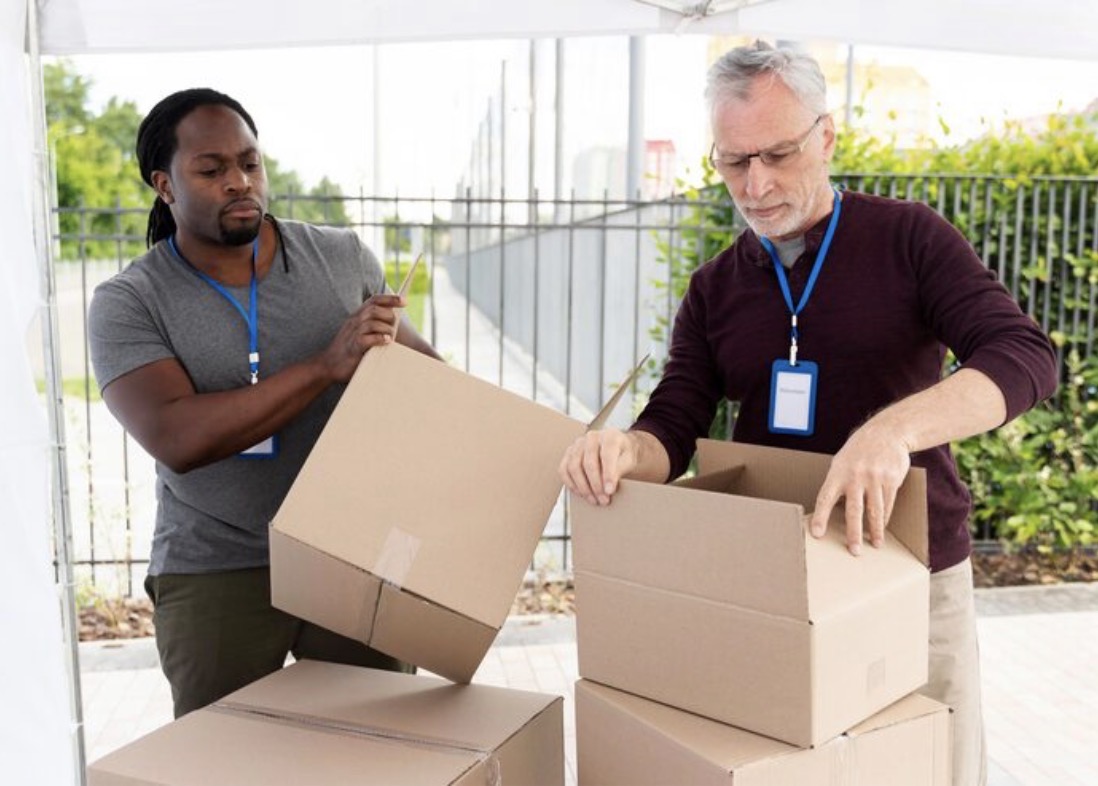
Packaging rarely receives much attention when everything works correctly. Boxes arrive when expected, products reach customers without damage, production keeps moving, and shipping departments have the materials they need. It is usually when something goes wrong that a company realizes how important its packaging supplier has become.
For businesses across California, packaging now plays a much larger role than simply containing a product. Manufacturers, aerospace companies, medical device businesses, electronics companies, food producers, e-commerce brands, distributors, and defense contractors all rely on packaging to keep their operations moving.
As supply chains become more demanding, many companies are taking a closer look at their packaging suppliers in California and asking a different question. Instead of simply asking who can provide boxes, they are asking which supplier can help them build a better packaging operation.
Packaging Has Become Part of the Supply Chain
A packaging supplier can influence production efficiency, shipping costs, product damage, warehouse space, labor requirements, and even customer satisfaction.
Consider a manufacturer shipping sensitive equipment throughout the country. A standard corrugated box might technically hold the product, but that does not necessarily make it the right solution. The product may require custom foam inserts, cushioning, moisture protection, static control materials, or a specially engineered crate.
California packaging companies increasingly provide combinations of custom boxes, protective foam, crates, films, labels, adhesives, and other materials rather than focusing exclusively on one product category.
This creates an opportunity for businesses to simplify purchasing.
Instead of ordering boxes from one company, foam from another, labels from another, and shipping supplies from several distributors, a business may be able to consolidate more of its purchasing with a capable packaging supplier.
That consolidation can reduce administrative work while creating more consistency throughout the packaging process.
The Best Packaging Often Starts With the Product
One of the biggest changes in industrial packaging involves how companies approach design.
Rather than selecting a box first and figuring out how to make the product fit, an experienced packaging supplier can start with the product itself.
What does it weigh?
Where are its vulnerable areas?
How will employees load it?
Will it travel by truck, air, ocean freight, or several transportation methods?
Does it need protection from vibration, impact, moisture, corrosion, or electrostatic discharge?
How frequently will the company ship it?
These questions can lead to a packaging system designed around the actual application.
A heavy industrial component may require a reinforced corrugated container or custom wood crate. Sensitive electronics might require ESD-conscious materials and precisely fabricated foam. A finished consumer product may need packaging that combines transportation protection with an attractive presentation.
The goal is not simply to add more material. Good packaging design uses the appropriate material in the right places.
Custom Packaging Can Reduce Hidden Costs
Purchasing departments naturally pay attention to unit prices, but the lowest packaging price does not always produce the lowest total cost.
Imagine that Company A purchases a box for $2.50 while Company B uses a custom box costing $3.00. At first glance, Company A appears to have the better deal.
But what happens if the less expensive box requires additional void fill, takes longer to assemble, occupies more pallet space, and produces a higher product damage rate?
The calculation changes quickly.
Packaging costs should include more than the price of the container. Businesses can consider labor, storage, freight utilization, damage, returns, material consumption, and packaging speed.
This is one area where an experienced California packaging supplier can provide significant value. A supplier that understands packaging engineering can look beyond individual material prices and identify opportunities throughout the entire process.
Sometimes a slightly different box dimension reduces material usage. A custom foam insert might eliminate several manual wrapping steps. A redesigned container could allow more products on each pallet.
Small improvements can become substantial savings when multiplied across thousands of shipments.
California Manufacturers Have Specialized Packaging Requirements
California supports an unusually diverse manufacturing economy. Aerospace, defense, electronics, medical devices, automotive components, technology hardware, food products, consumer goods, and industrial equipment all move through the state’s supply chain.
These industries do not necessarily need the same packaging.
An e-commerce company may prioritize efficient corrugated packaging and presentation. An aerospace supplier may care more about protecting a precision component. A defense contractor may need packaging that follows specific military requirements. An exporter using wood packaging may have additional requirements related to international transportation.
This makes industry experience an important consideration when evaluating packaging suppliers in California.
Businesses should look beyond a supplier’s catalog and examine its actual capabilities.
Can the supplier create custom packaging?
Can it fabricate foam?
Can it manufacture crates?
Can it produce prototypes?
Does it understand specialized packaging requirements?
Can it help troubleshoot recurring product damage?
A supplier that can answer these questions becomes more than a source of materials.
Inventory Management Matters More Than Many Companies Realize
Running out of packaging can stop production almost as effectively as running out of a product component.
A company might have finished products ready to ship, employees available, trucks scheduled, and customer orders waiting. Without the correct boxes or packaging materials, however, those products may remain on the warehouse floor.
At the opposite extreme, purchasing excessive packaging creates another problem.
Corrugated boxes, foam, pallets, and other supplies require warehouse space. Large inventories can consume valuable square footage that a company could use for production or finished goods.
This explains why inventory programs and just-in-time delivery have become attractive packaging services.
A strong supplier can help customers establish reasonable inventory levels and delivery schedules. Instead of reacting to shortages, businesses can create a predictable packaging supply system that supports production.
For California companies operating in expensive industrial real estate markets, reducing unnecessary packaging inventory can provide an additional operational advantage.
Local Suppliers Can Provide Greater Flexibility
California is enormous, so “local” means different things depending on where a business operates. However, proximity to a packaging supplier can offer meaningful benefits.
Southern California alone contains major manufacturing and distribution centers throughout Orange County, Los Angeles County, the Inland Empire, and San Diego County.
Working with a supplier that manufactures or warehouses products within the region can improve communication and potentially shorten delivery times.
Local relationships can become particularly valuable when something changes unexpectedly.
A customer might increase an order. Engineering could modify a product. A shipping problem may require a packaging redesign. Production could suddenly require additional materials.
When the supplier understands the customer’s operation and can respond quickly, packaging becomes much easier to manage.
Sustainability Is Moving Toward Practical Efficiency
Sustainable packaging conversations sometimes focus entirely on replacing one material with another. In practice, one of the most effective strategies can simply involve eliminating unnecessary material.
An oversized box requires more corrugated material and usually more cushioning. It can also consume additional warehouse, pallet, and transportation space.
A properly designed package may accomplish more with less.
Companies can evaluate recyclable materials, reusable packaging, right-sized corrugated containers, molded fiber products, and other alternatives based on the application. However, sustainability should still work alongside product protection.
A damaged product creates waste too.
The strongest approach balances material reduction with the level of protection required to move the product safely through the supply chain.
Packaging Suppliers Should Solve Problems
Businesses searching for packaging suppliers in California have plenty of choices. The more important task is identifying what type of supplier the operation actually needs.
For simple shipping supplies, availability and competitive pricing may matter most. For complex manufacturing environments, engineering capabilities, custom fabrication, inventory support, delivery reliability, and industry knowledge may carry considerably more weight.
Companies can also pay attention to how a supplier approaches the initial conversation.
Does the supplier immediately recommend products, or does someone first ask about the application?
A packaging professional should want to understand the product, shipping environment, current packaging process, quantities, problems, and objectives before recommending a solution.
That consultative approach often reveals opportunities that are difficult to see when packaging gets treated strictly as a commodity.
Building a Better Packaging Operation
Packaging touches nearly every stage between production and delivery. It protects products, supports warehouse operations, affects freight efficiency, influences labor, and represents a company when the customer finally opens the shipment.
That makes the relationship with a packaging supplier more important than it might initially appear.
California businesses should look for suppliers that can grow with their requirements. The right company should provide dependable materials today while helping solve more complicated packaging challenges tomorrow.
For some organizations, that means developing custom corrugated packaging. Others may need precision foam, protective materials, custom crates, military packaging, inventory programs, or a combination of several solutions.
The objective remains the same: protect the product while making the packaging process as efficient and reliable as possible.
The best packaging suppliers in California understand that their job does not end when they deliver a box. Their real value comes from understanding what happens before the product enters that box and what it must survive after it leaves the facility.
When businesses approach packaging from that perspective, a routine supply purchase can become an opportunity to reduce costs, improve efficiency, protect valuable products, and build a stronger supply chain.