
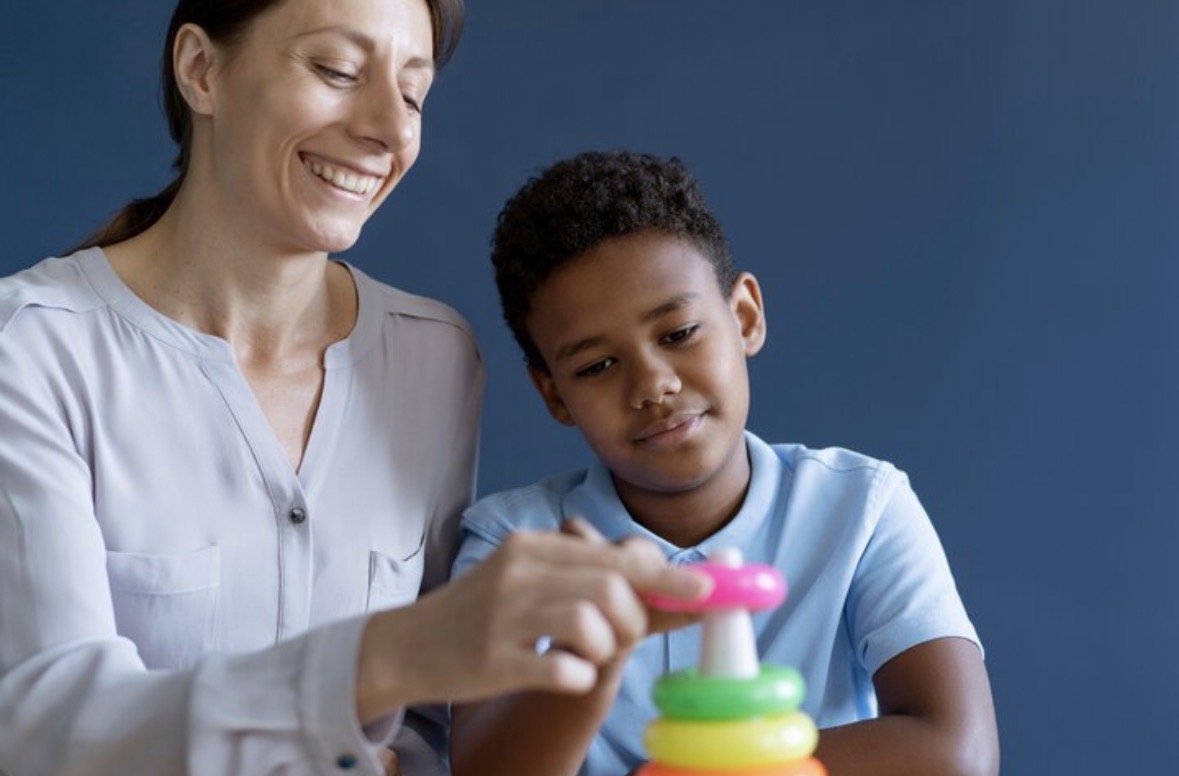
Most parents know that early childhood education matters — but few realise just how much it influences a child’s emotional wellbeing, confidence, intelligence, independence, and long-term success.
The first five years of life are often called the “foundation years” for a reason: this is when the brain develops faster than at any other point, forming the neural pathways that shape how a child thinks, communicates, manages emotions, and approaches challenges for the rest of their life.
In other words, early childhood education isn’t just about keeping children busy or preparing them for primary school. It’s about laying the groundwork for the kind of adults they will become.
The First Five Years Build the Brain’s Blueprint
Research from Harvard’s Center on the Developing Child shows that 90% of brain development happens before age five. During these years, children’s brains are incredibly receptive to learning, experiences, and relationships.
Every interaction — playing, exploring, solving problems, forming friendships — contributes to cognitive and emotional growth. A high-quality early childhood education environment helps make these interactions richer, more meaningful, and developmentally supportive.
This is why the choice of nursery or preschool can have a long-term impact on:
Emotional regulation
Social skills
Language development
Confidence and independence
Problem-solving abilities
Creativity and curiosity
A nurturing, well-structured nursery environment becomes the foundation for lifelong learning habits.
Emotional Intelligence Begins in Early Years
Academics are important, but emotional development is just as essential. In fact, many psychologists argue that a child’s emotional intelligence (EQ) predicts long-term success more accurately than IQ.
A strong early education setting helps children:
Manage big emotions
Practise patience and turn-taking
Resolve conflict in healthy ways
Build empathy
Develop resilience when things get difficult
These skills are not always taught explicitly — often, they are learned through everyday interactions in a calm, supportive environment.
For example, Montessori nurseries encourage children to take responsibility, care for their surroundings, and help their peers. This fosters self-awareness and empathy in ways worksheets never could.
Independence: A Skill That Lasts a Lifetime
Independence is one of the greatest gifts early childhood education can give. When children are encouraged to try things for themselves, make choices, and explore freely, they develop:
Confidence
Problem-solving skills
Initiative
The ability to think for themselves
These traits grow into adulthood as self-discipline, leadership skills, and adaptability — all incredibly important in a rapidly changing world.
This is why many parents increasingly turn to Montessori-style nurseries. In London, for example, LPE Bilingual Montessori offers an environment where children learn through hands-on exploration and are supported to make independent decisions, sparking curiosity and self-motivation from the earliest years.
The Power of Play-Based Learning
Play is not “just play” — it’s a child’s most important work.
During play, children practise essential skills:
Planning and sequencing
Creativity
Negotiating with peers
Fine and gross motor skills
Language and communication
Whether it’s block building, imaginative storytelling, or outdoor exploration, play engages the whole brain. Play-based learning also encourages children to tackle challenges without fear of failure, a core component of lifelong resilience.
Positive Adult Relationships Shape Confidence
Early childhood educators play a crucial role in a child’s sense of safety, belonging, and self-worth. Studies show that warm, responsive adult relationships support healthy attachment and emotional wellbeing.
In high-quality nurseries:
Teachers model kindness and patience
Children feel comfortable asking for help
Mistakes are treated as learning opportunities
Children learn to trust themselves and others
When a child feels emotionally secure, they are more likely to explore, take risks, and embrace new experiences — all essential for cognitive and personal growth.
Language Skills and Communication Flourish Early
The more children hear, speak, and interact during their early years, the stronger their language abilities become. Early exposure to books, conversation, storytelling, and songs builds vocabulary, comprehension, and confidence.
Strong language skills play a vital role in:
Academic success
Social development
Problem-solving
Critical thinking
Self-expression
Nurseries that prioritise communication-rich environments give children a tremendous advantage.
A Strong Start Creates a Strong Future
What happens in early childhood doesn’t stay in childhood — it shapes adulthood. Children who receive high-quality early education are more likely to:
Perform better academically
Develop strong social skills
Build healthy self-esteem
Become flexible, creative thinkers
Approach challenges with resilience
Grow into confident, capable adults
Parents don’t need to wait until school begins to support their child’s development — it starts with the early learning environment they choose.
Nurseries like LPE Bilingual Montessori in London demonstrate how a thoughtfully prepared, child-centred environment can nurture confidence, curiosity, emotional intelligence, and a genuine love for learning.