
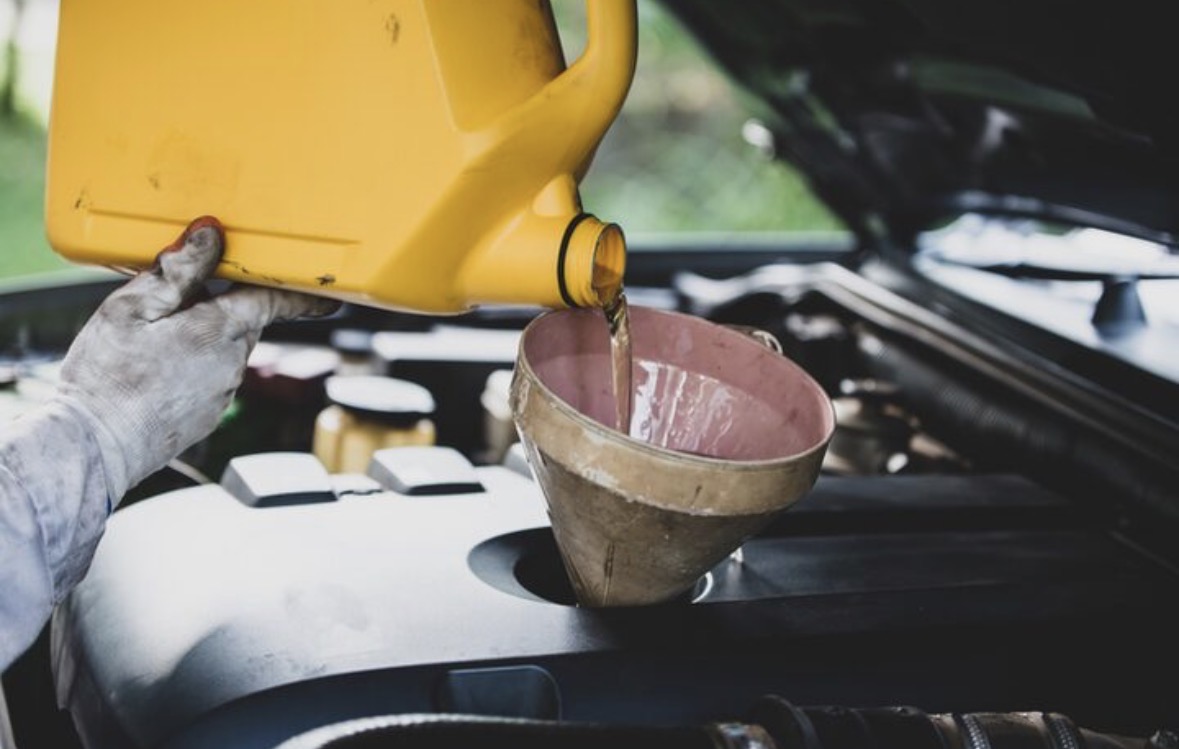
Transmission fluid leaks are among the most serious maintenance problems many drivers overlook. Unlike small cosmetic issues, leaking transmission fluid can quickly lead to major mechanical damage if left unresolved for too long.
Because modern transmissions are highly complex and expensive to repair, even a minor leak has the potential to become a major financial problem over time.
Transmission Fluid Is Essential for Proper Operation
Transmission fluid plays several critical roles inside the transmission system.
It helps:
- Lubricate moving components
- Reduce heat
- Maintain hydraulic pressure
- Enable smooth gear changes
- Prevent internal wear
Without enough fluid, internal transmission parts experience excessive friction and overheating very quickly.
This can lead to permanent damage long before the vehicle completely stops moving.
Small Leaks Often Become Larger Problems
Transmission leaks rarely fix themselves.
What starts as a small drip may gradually worsen because of:
- Heat expansion
- Seal deterioration
- Increased internal pressure
- Aging gaskets
Drivers may initially notice only a few drops under the vehicle or occasional shifting irregularities.
However, fluid loss usually continues growing worse over time if repairs are delayed.
Modern Transmissions Depend on Precise Fluid Pressure
Unlike older mechanical systems, modern automatic transmissions rely heavily on hydraulic pressure controlled by transmission fluid.
Low fluid levels may cause:
- Delayed shifting
- Slipping gears
- Harsh shifting
- Hesitation during acceleration
- Warning lights
Even small pressure changes can affect transmission performance significantly.
Continued driving with low fluid often accelerates internal wear rapidly.
Heat Builds Up Quickly Without Proper Fluid Levels
Transmission fluid also helps regulate operating temperature.
When fluid levels drop too low, the transmission may begin overheating because lubrication and cooling become less effective.
Excessive heat can damage:
- Clutch packs
- Valve bodies
- Bearings
- Internal seals
- Torque converters
Once overheating begins repeatedly, transmission lifespan shortens dramatically.
Leaks Often Come From Aging Seals and Gaskets
As vehicles age, rubber seals and gaskets naturally deteriorate through years of heat exposure and vibration.
Common leak locations include:
- Transmission pan gaskets
- Output shaft seals
- Cooling line connections
- Input shaft seals
Older high-mileage vehicles are especially vulnerable because transmission components weaken gradually over time.
Road debris and corrosion may also damage transmission lines underneath the vehicle.
Drivers Sometimes Mistake Early Symptoms
Transmission problems often develop gradually, making them easy to ignore initially.
Common warning signs include:
- Burning smells
- Slipping gears
- Fluid spots under the car
- Delayed acceleration
- Rough shifting
Because the vehicle may still drive normally at first, many owners postpone inspections until more severe damage develops.
Unfortunately, transmission repairs become far more expensive once internal wear begins.
Repair Costs Can Escalate Quickly
Fixing a small transmission leak is often far less expensive than replacing a damaged transmission entirely.
However, once fluid loss causes internal damage, repairs may involve:
- Transmission rebuilding
- Component replacement
- Valve body repairs
- Torque converter replacement
These repairs are labor-intensive and often among the most expensive automotive services drivers face.
For older vehicles with declining value, transmission repair costs may eventually exceed the worth of the vehicle itself.
High Mileage Increases Leak Risk
As transmissions accumulate mileage, years of pressure, heat, and movement gradually weaken internal seals.
Vehicles with high mileage commonly experience:
- Seal shrinkage
- Fluid contamination
- Worn clutch materials
- Increased operating temperatures
Even properly maintained transmissions eventually become more vulnerable to leaks simply because of age-related wear.
Preventative Maintenance Helps Reduce Transmission Problems
Routine maintenance can significantly extend transmission lifespan.
Helpful preventative steps include:
- Checking transmission fluid regularly
- Servicing fluid at recommended intervals
- Addressing leaks early
- Avoiding overheating
- Preventing aggressive driving habits
Early detection often prevents small leaks from turning into catastrophic failures.
Why Some Owners Eventually Stop Repairing Older Vehicles
When transmission problems combine with other aging-related repairs such as engine wear, rust, or suspension damage, continuing repairs may no longer feel financially practical.
An older vehicle facing repeated transmission issues may eventually cost more to maintain than its remaining market value.
This is one reason many owners eventually explore alternatives such as Cash For Junk Cars once major drivetrain repairs become too expensive relative to the vehicle’s overall condition.
Final Thoughts
Transmission fluid leaks should never be ignored because even small fluid loss can quickly lead to overheating, internal wear, and expensive mechanical failure.
Understanding the importance of transmission fluid helps drivers recognize warning signs early and avoid turning relatively simple repairs into major transmission replacement costs.