
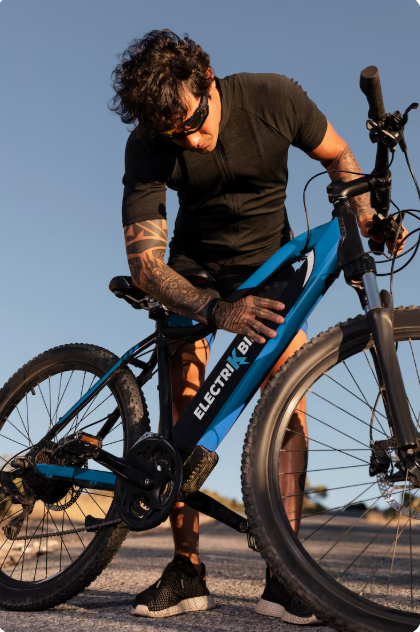
Did you know that the global electric off-road motorcycle market is projected to grow by over 10% annually, meaning the trails are rapidly filling up with identical-looking bikes? Whether you ride a Sur-Ron Light Bee, a Talaria Sting, or a Segway X260, the factory-standard matte black or grey finish offers zero individuality.
For the modern rider, blending in is not an option. However, the challenge lies in the fact that these e-bikes are physically distinct from traditional gas-powered motocross bikes, presenting unique hurdles for customization.
Understanding the nuances of custom Sur-Ron graphics and wraps is critically important for protecting your investment and establishing your presence on the track. This article will guide you through the materials, application techniques, and design choices that ensure your e-bike stands out from the silent swarm.
What are custom Sur-Ron graphics and why pay attention?
Custom Sur-Ron graphics (and their counterparts for Talaria and Segway) are specialized, heavy-duty vinyl adhesive kits engineered specifically for the geometry of electric dirt bikes. Unlike standard stickers, these are composed of a high-tack adhesive layer, a printed design layer, and a thick, durable overlaminate.
In the current landscape of electric powersports, paying attention to quality graphics is essential because these bikes lack the bulky plastic fairings of traditional motocross machines. Instead, the graphics must adhere to battery covers, flat metal subframes, and intricate motor guards.
Furthermore, electric dirt bike wraps serve a functional purpose beyond aesthetics. They act as a sacrificial shield for your expensive lithium battery casing and aluminum frame, protecting them from roost, branches, and boot rub that would otherwise degrade the bike’s resale value.
Common Mistakes to Avoid Regarding E-Bike Customization
The geometry of an electric bike is unforgiving compared to a Honda or Yamaha. Avoid these common pitfalls to ensure your Talaria Sting decal kits or Segway wraps last longer than one ride.
- Buying “Universal” MX Sheets: E-bikes have sharp angles and compact surface areas. Attempting to cut a generic sheet of vinyl to fit a Sur-Ron battery cover usually results in peeling edges and a sloppy finish; always buy model-specific templates.
- Ignoring the Battery Heat Factor: Cheap vinyls can shrink or bubble when exposed to the heat generated by the battery during intense riding. It is crucial to use materials rated for temperature fluctuations to prevent failure on the battery lid.
- Improper Surface Preparation on Textured Plastics: Many e-bikes feature textured plastic around the motor and controller to hide scratches. Standard adhesives struggle to bond here; failing to use a heat gun and pressure during application will cause immediate lifting.
- Overlooking Cross-Compatibility: While the Sur-Ron Light Bee and Segway X260 custom stickers are often interchangeable due to sharing the same chassis, the Talaria Sting is a completely different frame. Assuming all “e-bike graphics” fit all models is a costly error.
Step-by-Step Guide: How to Effectively Install Custom Sur-Ron Graphics
Transforming your e-bike requires patience and the right technique. Follow this process to ensure a factory-level install that withstands the elements.
- Step One: Strip and Clean the Surface
Remove any factory stickers or old graphics using a mild heat source. Thoroughly clean the plastics and metal frame rails with isopropyl alcohol (at least 70%) to remove all traces of chain lube, silicone spray, or dirt. This is the most vital step for adhesion. - Step Two: Map Out the Template
Before peeling the backing paper, hold the graphic pieces up to the bike to understand where they fit. E-bike kits often come with many small strips for the subframe and swingarm. Identify which piece covers the battery lid and which covers the controller area. - Step Three: The “Hinge” Method for Battery Covers
The large flat surface of the battery cover is the easiest place to trap air bubbles. Peel back a small strip of the backing paper at the top of the graphic, align it perfectly, and stick it down. Slowly peel the rest of the backing away while smoothing the vinyl down with a squeegee or your thumb, working from the center outward. - Step Four: Heat and Pressure for Curves
For the rear fender and angular frame parts, apply the vinyl and then use a heat gun (or hair dryer) to warm the material. When the vinyl becomes soft, press it firmly into the recesses and over the edges. This kills the “memory” of the vinyl and prevents it from popping back up. - Step Five: The Post-Install Cure
Do not ride the bike immediately. Let the graphics sit for at least 24 hours in a warm room. This allows the pressure-sensitive adhesive to fully “wet out” and bond molecularly with the plastic and metal surfaces.
Best Practices and Expert Recommendations for Excellent Results
To truly elevate your e-bike’s look, you need to consider materials that go beyond standard gloss.
First, explore exotic finishes. The flat, futuristic surfaces of electric bikes look incredible with Chrome, Holographic, or Matte finishes. Because e-bikes have a “tech” vibe, a Holographic electric dirt bike wrap that shifts color in the sun complements the silent, stealthy nature of the machine better than it does on a loud gas bike.
Second, consider “Full-Coverage” vs. “Trim” kits. A standard kit might only cover the battery and fenders. For maximum protection, look for “Full-Coverage” kits that include decals for the swingarm, the main frame I-beams, and even the fork guards. This maximizes the protection of the anodized metal underneath.
Finally, match your seat cover. The aesthetics of a Sur-Ron or Talaria are heavily defined by the long, bench-style seat. Experts recommend installing a “gripper” seat cover that color-matches your new graphics kit to create a cohesive, factory-team appearance.
Future Perspectives: Trends in E-Bike Customization
The future of custom Sur-Ron graphics is moving toward smart integration and safety. We are beginning to see reflective vinyl technologies that appear normal during the day but glow bright white or neon under car headlights at night, adding a critical layer of safety for urban riders.
Additionally, as battery technology evolves, we expect to see graphic kits that incorporate temperature-sensitive pigments. These would change color if the battery or motor begins to overheat, providing a visual warning system to the rider while looking stylish.
Customizing your electric bike is about more than just vanity; it is about protection, identity, and safety. By choosing high-quality custom Sur-Ron graphics and applying them with the correct techniques, you ensure your machine is armored against the trail and unique to your style.
Don’t let your e-bike get lost in the sea of grey and black. Start planning your design today, and turn your silent ride into a loud statement.