
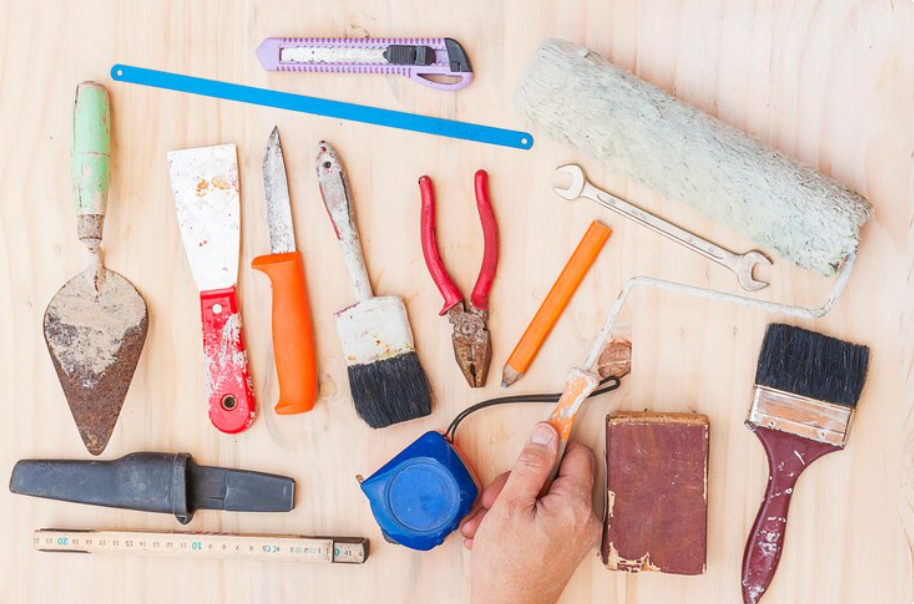
Owning a rural home, farm, or acreage often means handling minor repairs without waiting for outside help. A loose gate, leaking hose connection, damaged fence, or dead equipment battery can quickly interrupt the day. Keeping a well-organized repair kit on the property makes it easier to address these problems before they become expensive emergencies.
The ideal kit does not need to include every tool available. It should contain dependable essentials selected around the property’s buildings, vehicles, equipment, plumbing, and fencing.
Start With Reliable Hand Tools
Hand tools form the foundation of almost every repair kit. While specialized jobs may require additional equipment, a basic collection can handle many routine maintenance tasks.
Useful hand tools include:
- Claw and ball-peen hammers
- Adjustable wrenches
- Combination wrench and socket sets
- Standard and needle-nose pliers
- Locking pliers
- Flathead and Phillips screwdrivers
- Utility knife with replacement blades
- Tape measure
- Level
- Pry bar
- Wire cutters
- Hex key set
Choose tools that feel comfortable and are suitable for regular use. A smaller collection of dependable tools is often more valuable than an oversized set containing pieces that may never be needed.
It also helps to keep commonly used tools in a portable toolbox. This allows the entire kit to be carried to a barn, fence line, vehicle, or outbuilding without making repeated trips.
Keep an Assortment of Fasteners
Small hardware items are easy to overlook until a repair is already underway. Keeping several sizes of fasteners on hand can save time when replacing hinges, reinforcing boards, securing brackets, or repairing equipment.
A practical fastener supply may include:
- Wood and construction screws
- Machine screws
- Nails
- Bolts, nuts, and washers
- Cotter pins
- Anchors
- Fence staples
- Hose clamps
- Zip ties
- Eye bolts and hooks
Store these items in divided containers with clear labels. Separating fasteners by type and size makes it easier to find the right piece without searching through a mixed bucket of hardware.
Because moisture can cause metal components to rust, keep fasteners in a dry cabinet or sealed storage box.
Prepare for Plumbing Problems
Even a minor leak can waste water or damage floors, walls, and stored supplies. Rural properties may also have long water lines, outdoor spigots, livestock watering systems, and hoses that require regular attention.
Consider keeping the following plumbing supplies available:
- Adjustable or pipe wrenches
- Plumber’s tape
- Pipe repair clamps
- Replacement washers
- Hose fittings and connectors
- Caulk and waterproof sealant
- PVC fittings commonly used on the property
- A pipe cutter
- Drain-cleaning tools
- A sturdy bucket
Property owners should also know where their primary and secondary water shutoff valves are located. Labeling these valves can make a major difference during a leak, particularly when another family member or employee needs to respond.
Repairs involving wells, pressure tanks, buried lines, or unfamiliar systems may require an experienced professional. The repair kit is best used to control immediate problems and complete straightforward maintenance safely.
Include Basic Electrical Supplies
Basic electrical items can help with simple tasks such as replacing bulbs, organizing extension cords, or identifying a tripped circuit. Electrical work, however, requires careful judgment. Anything involving damaged wiring, service panels, or an uncertain power source should be handled by a qualified electrician.
Helpful items include:
- Flashlights and spare batteries
- Work lights
- Outdoor-rated extension cords
- Electrical tape
- Replacement lightbulbs
- Surge protectors
- A non-contact voltage tester
- Cable ties
- Weather-resistant outlet covers
Flashlights should be stored where they can be reached during a power outage. Consider placing one in the home, workshop, barn, and each frequently used vehicle rather than relying on a single light.
Add Supplies for Fences and Gates
Fences and gates are exposed to weather, animals, machinery, and constant movement. Even a small failure can create a serious problem when livestock or property security is involved.
A fence-repair kit may contain:
- Fencing pliers
- Fence staples
- Appropriate wire
- Wire stretchers
- Replacement hinges
- Gate latches
- U-bolts
- Chain
- Heavy-duty rope
- Ratchet straps
The appropriate materials will depend on whether the property uses woven wire, electric fencing, barbed wire, wooden rails, panels, or a combination of systems. Inspecting fence lines regularly makes it easier to identify leaning posts, loose wire, corrosion, or damaged gates before complete failure occurs.
Plan for Vehicle and Equipment Maintenance
Trucks, tractors, mowers, utility vehicles, and other machinery need routine attention. A property repair kit should include supplies for simple maintenance and temporary problem control.
Consider keeping:
- Motor oil and approved fluids
- Funnels
- Grease and lubricants
- Shop towels
- Battery terminal cleaner
- Jumper cables or a portable jump starter
- Tire-pressure gauge
- Portable air compressor
- Work gloves
- Absorbent material for spills
Always use the fluid and replacement products recommended by the equipment manufacturer. Clearly label containers, keep chemicals in their original packaging, and store them away from children, animals, food, and ignition sources.
Do Not Forget Personal Safety Equipment
A repair cannot be considered successful if someone is injured while completing it. Personal protective equipment should be stored with the tools so it is available before the work begins.
Essential safety gear may include:
- Safety glasses
- Hearing protection
- Durable work gloves
- Dust masks or appropriate respirators
- High-visibility clothing
- Protective footwear
- First-aid supplies
- Fire extinguisher
Inspect safety equipment periodically. Replace expired first-aid products, damaged protective gear, and fire extinguishers that are no longer serviceable.
Match the Kit to the Property
Every rural property is different. A small acreage with a garden and detached garage will not need exactly the same supplies as a working livestock farm.
Walk through the property and create a list based on its main features:
- Buildings and sheds
- Fences and gates
- Water lines and outdoor spigots
- Vehicles and machinery
- Electrical systems
- Livestock areas
- Gardens and landscaping
- Frequently used roads or paths
Review previous repairs as well. If the same connector, belt, fastener, or fitting has failed more than once, keeping a spare may prevent future delays.
Homeowners, farmers, contractors, and DIYers in northeastern Iowa can visit Farmland Hardware for tools, fasteners, plumbing products, electrical essentials, automotive supplies, and farm and ranch materials.
Organize and Inspect the Kit Regularly
A repair kit is only helpful when its contents are complete and easy to locate. Divide supplies into clearly labeled categories rather than placing everything in one container.
For example, use separate storage for:
- Hand tools
- Plumbing supplies
- Electrical items
- Fasteners
- Fence-repair materials
- Automotive products
- Safety equipment
Check the kit at the beginning of each season. Replace used supplies, remove damaged tools, recharge batteries, and confirm that flashlights and testers still operate. Seasonal reviews also provide an opportunity to add items needed for upcoming work.
Know When to Call a Professional
Preparedness does not mean attempting every repair independently. Professional assistance may be necessary when a job involves:
- Live electrical wiring
- Structural damage
- Gas lines
- Major plumbing failures
- Unstable machinery
- Hazardous materials
- Work requiring permits or specialized training
The purpose of a property repair kit is to make routine maintenance more efficient and help control minor problems. It should never encourage someone to take on work beyond their experience or equipment.
Build the Kit Gradually
There is no need to purchase everything at once. Begin with the tools and supplies required for the property’s most frequent tasks. Add specialized items as new needs arise and replace products after they are used.
A carefully selected repair kit helps rural property owners respond faster, reduce unnecessary downtime, and keep homes, farms, and equipment in better condition. With thoughtful organization and regular inspections, essential supplies will be ready when the next project—or unexpected repair—begins.