
Museums have traditionally been associated with quiet galleries, historical objects, and carefully written descriptions. Visitors would walk from one display to another while learning about art, science, culture, or important events from the past. Although these traditional elements remain essential, museums around the world are increasingly experimenting with technology to create more interactive and engaging experiences.
One of the biggest changes has been the introduction of digital displays. Touchscreens can provide visitors with additional information without filling an exhibition space with large amounts of text. Instead of reading a long explanation on a wall, visitors can explore photographs, timelines, maps, videos, and interactive illustrations according to their own interests.
Augmented reality is another technology that has attracted attention in the museum industry. Through compatible devices, visitors can see digital information layered over physical objects or exhibition spaces. An ancient artifact, for example, might be accompanied by a visual reconstruction showing how it could have appeared in its original environment.
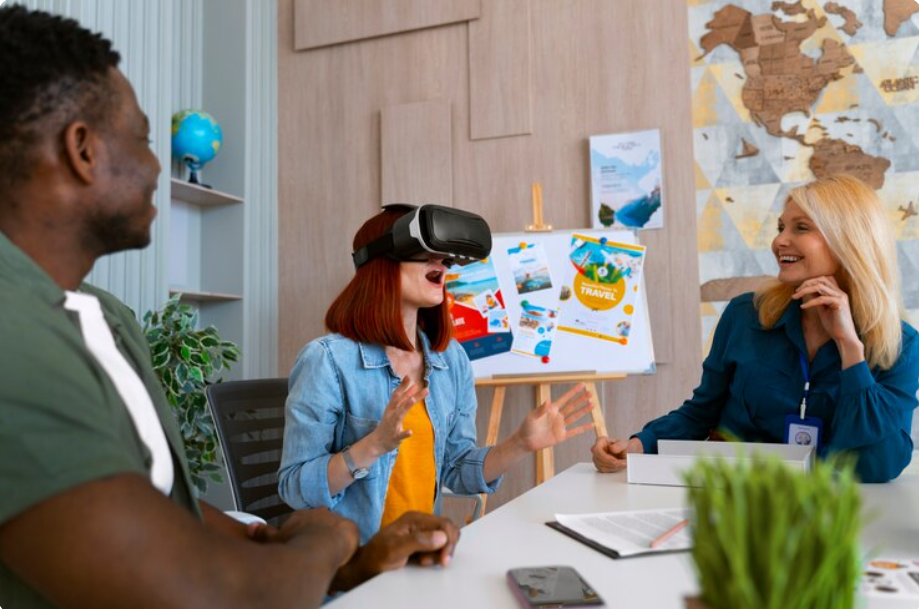
Virtual reality can take this concept even further. Instead of simply looking at an object, visitors may be able to experience a simulated historical environment. A museum focused on archaeology could potentially recreate an ancient settlement, allowing visitors to explore its streets and buildings digitally. These experiences can help make complicated historical subjects easier to understand.
Technology can also improve accessibility. Museums serve visitors with different abilities, languages, ages, and learning preferences. Digital guides can offer audio descriptions, subtitles, translations, adjustable text sizes, and alternative ways of presenting information. These features can make exhibitions more welcoming to a wider audience.
Another major development is the growth of online museum collections. Many institutions have digitized photographs, paintings, documents, sculptures, and other materials so that people can explore them remotely. This is particularly valuable for students, researchers, and people who live far away from major cultural institutions.
Online collections also change the concept of museum discovery. A person may begin by searching for information about a particular artist and eventually discover an entirely different exhibition. Digital platforms make it possible to connect related objects across different collections, countries, and historical periods.
Social media has contributed to this transformation as well. Museums can share behind-the-scenes content, restoration projects, interesting facts, and short educational videos. These formats can attract audiences who might not normally visit a museum. A carefully designed post can introduce an object to thousands of people within a short period.
However, technology should support the museum experience rather than replace the objects themselves. Excessive use of screens or complicated interactive systems can sometimes distract visitors from the artwork or historical material. The most effective digital experiences are usually those that provide useful context without overwhelming the central subject.
Digital technology has also changed how visitors behave before and after a museum visit. People can research exhibitions in advance, reserve tickets online, explore digital previews, and continue learning after returning home. During these online activities, users may encounter unrelated search phrases such as “slot gacor hari ini,” illustrating how broad and unpredictable digital browsing can be.
Another advantage of technology is its ability to personalize learning. Traditional exhibitions generally present the same information to every visitor. Interactive systems can allow individuals to choose the depth and type of information they want. A casual visitor might prefer a short summary, while a student or researcher could explore detailed historical records.
Museums are also using technology behind the scenes. Digital databases help institutions organize collections and track important information about individual objects. Advanced imaging techniques can assist conservation specialists in examining artworks and artifacts without physically damaging them.
The future may bring even more sophisticated experiences. Artificial intelligence could help visitors discover connections between objects, languages, artists, or historical periods. Three-dimensional scanning could make it easier to preserve detailed digital versions of fragile artifacts. Remote exhibitions may also allow people from different parts of the world to participate in cultural experiences simultaneously.
Despite these developments, the fundamental purpose of museums remains unchanged. They preserve knowledge, culture, creativity, and evidence of human history for future generations. Technology simply provides additional tools for presenting that material in ways that fit modern audiences.
The most successful museums will likely be those that balance tradition with innovation. Physical objects will continue to provide authenticity and emotional connection, while digital tools can offer deeper explanations, broader access, and more engaging methods of exploration. Together, these elements can make museums more relevant without losing the qualities that have made them valuable for generations.
As digital technology continues to evolve, museums have an opportunity to become more than places where people observe objects. They can become dynamic learning environments where visitors actively explore ideas, ask questions, make connections, and develop a deeper appreciation for the stories behind the collections.