Artificial intelligence is rapidly changing the music industry, transforming how songs are written, produced, and distributed. AI music generators are now capable of creating melodies, instrumentals, lyrics, vocals, and complete compositions in just minutes. What once required professional studios, expensive equipment, and years of experience can now be accomplished with the help of intelligent software and machine learning technology.
The rise of AI-powered music creation is opening new opportunities for musicians, content creators, businesses, marketers, filmmakers, and everyday users who want to experiment with music production. As AI technology becomes more advanced, creating music is becoming faster, more affordable, and more accessible than ever before.What Are AI Music Generators?
AI music generators are software platforms that use artificial intelligence and machine learning algorithms to create music automatically. These systems are trained on large collections of existing songs and audio data, allowing them to recognize patterns related to melody, rhythm, harmony, genre, tempo, and song structure.
Once trained, the AI can generate original music based on prompts or user-selected settings. Most AI music generators allow users to customize different aspects of a track, including:
- Genre
- Mood
- Tempo
- Instruments
- Energy level
- Song length
- Vocal style
For example, someone might request “a cinematic orchestral soundtrack,” “a relaxing lo-fi beat,” or “an upbeat electronic dance song,” and the AI will create music based on those instructions.
Some advanced AI platforms can even generate realistic vocals, write lyrics, mix and master tracks, and produce complete songs ready for publishing or content creation.Why AI Music Is Growing So Quickly
One of the main reasons AI music generators are becoming so popular is accessibility. Traditional music production often requires technical knowledge, expensive software, professional equipment, and years of practice. AI tools remove many of these barriers by simplifying the creative process.
Today, someone with no musical background can create professional-quality music with just a computer and an internet connection. This has opened the door for millions of new creators who previously may not have had access to music production tools.
Another major reason for the growth of AI music is speed. AI systems can generate melodies, beats, and full instrumentals within seconds. Producers and content creators no longer need to spend hours building tracks from scratch.
This efficiency is especially valuable for industries that require constant content production, such as social media, podcasting, gaming, advertising, and video production.Creating Music with AI
Creating music with AI is surprisingly simple. Most AI music platforms are designed with user-friendly interfaces that allow creators to generate songs quickly without advanced technical knowledge.
The process usually involves:
- Choosing a genre or mood
- Selecting instruments or vocal styles
- Adjusting tempo and song structure
- Entering prompts or lyrics
- Generating the track
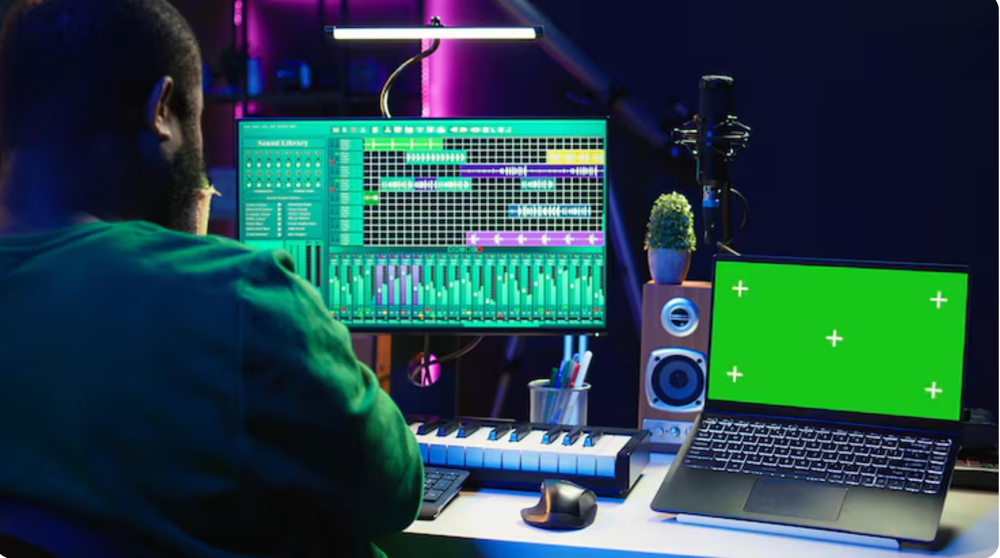
Once the AI creates the music, users can edit, rearrange, or customize the output further using traditional music production software.
Some musicians use AI as a complete production solution, while others use it as a creative assistant during songwriting and composition. For example, a producer might use AI to generate chord progressions or melodies and then build upon those ideas manually.
This collaborative workflow allows artists to work faster while still maintaining their personal creativity and artistic direction.AI Music for Content Creators
AI-generated music has become extremely popular among content creators. YouTubers, TikTok influencers, podcasters, streamers, and marketers constantly need music for videos, ads, intros, and background soundtracks.
Finding royalty-free music that perfectly matches the mood of content can be difficult and expensive. AI music generators solve this problem by allowing creators to generate custom tracks instantly.
A fitness influencer might generate energetic electronic beats for workout videos, while a travel creator may want calming ambient music for cinematic footage. AI tools make it possible to create highly personalized soundtracks for specific projects.
Businesses are also using AI-generated music in advertising campaigns, promotional videos, presentations, and social media content. Since AI reduces production costs and speeds up workflows, companies can produce more content without hiring large audio production teams.AI as a Creative Assistant
Despite concerns that AI could replace musicians, many artists see AI as a powerful creative tool rather than a competitor. AI helps producers experiment with ideas, overcome writer’s block, and improve efficiency.
Some common ways musicians use AI include:
- Generating melody ideas
- Building drum patterns
- Writing chord progressions
- Enhancing vocals
- Producing harmonies
- Mixing and mastering tracks
- Creating instrumental foundations
AI allows artists to focus more on storytelling, emotion, and performance while automating repetitive technical tasks.
Many producers also use AI to explore genres and styles they may not normally create. AI-generated suggestions can inspire new creative directions and help artists break out of repetitive production habits.The Rise of AI Vocals and Voice Cloning
One of the most advanced developments in AI music is vocal generation and voice cloning technology. Some AI systems can now generate highly realistic singing voices or imitate specific vocal styles with impressive accuracy.
This technology allows creators to produce songs even without access to professional singers or recording studios.
However, AI voice cloning has also created ethical and legal concerns. Some AI-generated songs have imitated famous artists without permission, leading to debates about copyright, ownership, and artist protection.
As AI voice technology becomes more realistic, regulations will likely become stricter to prevent misuse and protect musicians’ rights.Challenges Facing AI Music
Although AI music offers many benefits, there are still several challenges facing the industry.Copyright Issues
One of the biggest concerns involves training data. Since AI systems learn from existing songs, many artists question whether their music is being used fairly and whether compensation should be provided.Oversaturation
As AI-generated music becomes easier to produce, streaming platforms could become flooded with repetitive or low-quality content.Authenticity
Some critics argue that AI-generated music lacks genuine emotional depth because artificial intelligence cannot experience emotions, relationships, or life experiences the way humans do.
While AI can imitate musical styles and patterns, many believe human creativity and emotional storytelling will always remain central to music.The Future of AI Music Creation
The future of creating music with AI looks incredibly promising. As machine learning technology improves, AI-generated music will become more realistic, customizable, and interactive.
We may soon see AI systems capable of generating personalized songs based on listener moods, activities, or preferences. AI music could also become deeply integrated into gaming, virtual reality, fitness apps, and interactive entertainment experiences.
Rather than replacing human musicians, AI will likely continue evolving as a collaborative creative partner.Conclusion
AI music generators are reshaping the modern music industry by making music creation faster, easier, and more accessible than ever before. Whether used by professional producers, independent artists, businesses, or social media creators, AI tools are unlocking entirely new possibilities for creativity and innovation.
While ethical and copyright challenges still need solutions, artificial intelligence is clearly becoming an important part of the future of music production. As technology continues to advance, the relationship between human creativity and AI-powered tools will continue to evolve, creating exciting opportunities for the next generation of musicians and creators.