
Aluminum extrusion produces lightweight profiles with complex, consistent cross-sections. However, a profile is not perfectly rigid or identical at every point. Die behavior, wall thickness, temperature, quenching, stretching, and handling affect final geometry. Tolerance control therefore begins before extrusion and continues through machining and inspection. Engineers must identify which dimensions belong to extrusion, which require CNC finishing, and how the part will be measured. This improves manufacturability without adding unnecessary precision and cost.
Why Tolerance Control Starts Before the Extrusion Press
Cross-sectional design determines how aluminum flows through the die. Balanced profiles with gradual wall transitions behave more predictably than sections containing deep channels, unsupported thin walls, or concentrated heavy areas.
Important sources of dimensional variation include:
- Profile geometry and wall distribution
- Alloy and temper selection
- Die construction and bearing condition
- Billet, die, and exit temperature
- Quenching and stretching conditions
- Cutting, handling, and packaging
Ignoring these factors may lead to repeated die correction or added machining. Engineers should identify dimensions affecting assembly, sealing, positioning, or performance. Noncritical features can then receive realistic extrusion tolerances.
Four Aluminum Extrusion Tolerances Engineers Must Define
1. Cross-Sectional Dimensional Tolerances
Cross-sectional requirements include width, height, wall thickness, slots, cavities, and local feature positions. Achievable tolerance depends on profile size, measurement location, section complexity, and datum distance. Deep slots and thin walls may behave differently from accessible external dimensions.
Engineers defining section dimensions, straightness, twist, and inspection conditions can use this engineering guide to aluminum extrusion tolerances as a reference during drawing review.
2. Straightness, Bow, and Twist
Straightness describes how closely an edge or axis follows a straight line. Bow is a lengthwise curve, while twist is cross-sectional rotation along the profile. These conditions require a stated reference length, support method, and free-state requirement. Forcing a flexible extrusion flat can conceal its behavior after release.
3. Flatness, Angularity, and Profile Contour
Mounting surfaces may require flatness control, while L-shaped, U-shaped, and multi-channel sections may need angularity requirements. Curved surfaces can use a profile contour specification. If a small functional pad needs greater accuracy, local CNC milling is often more practical than tightening the entire section.
4. Cut Length and End Squareness
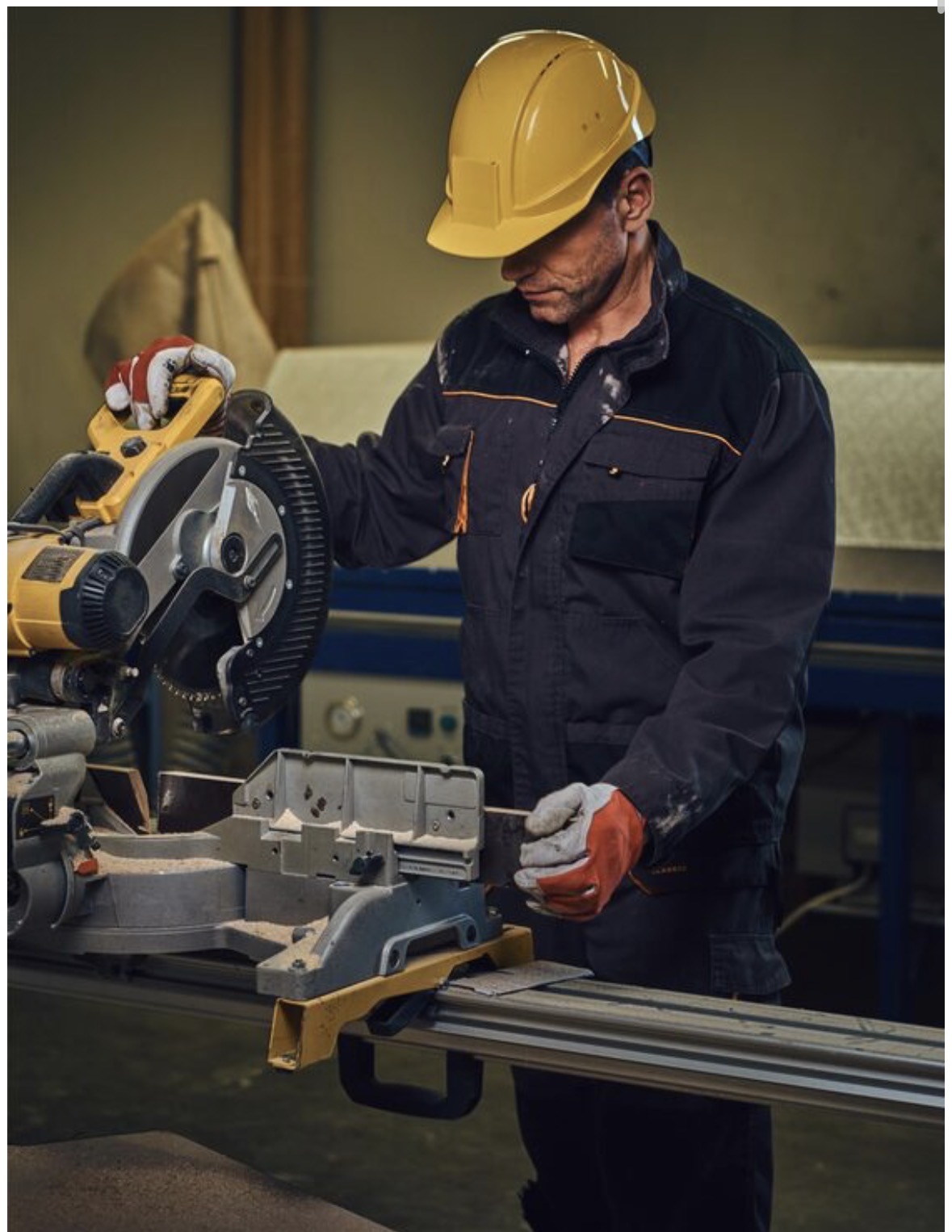
Saw cutting establishes initial length, but blade condition, clamping, movement, and heat affect results. A saw-cut end may not provide assembly squareness. If it is a functional datum, manufacturers can leave an allowance and finish-mill the final length and perpendicularity.
Extrusion Tolerances and CNC Tolerances Are Not the Same
Extrusion creates a continuous near-net-shape section. CNC machining adds local precision after cutting and stabilization. Assigning each requirement correctly reduces cost and clarifies inspection.
Extrusion should normally control:
- Continuous external and internal geometry
- General wall-thickness relationships
- Noncritical slots, ribs, and channels
- Overall section shape and profile weight
CNC machining should normally control:
- Precision mounting faces
- Hole diameter and position
- Threads and local slots
- Critical datum relationships
- Final end length and squareness
Tightening every extruded dimension increases tooling corrections, inspection, and rejection risk without necessarily improving function. Precision should focus on assembly and performance features.
What Causes Dimensional Variation During Aluminum Extrusion?
Several process conditions can change the profile before it reaches final inspection:
- Unbalanced geometry: Unequal wall thickness and material distribution can create different metal-flow and cooling rates.
- Die deflection or wear: Deep channels and weak die tongues may move under pressure, while wear can gradually change local dimensions.
- Temperature and speed: Variations in billet temperature, die temperature, and extrusion speed affect metal flow and surface condition.
- Quenching and stretching: Uneven cooling can produce distortion, while incorrect stretching may leave bow or twist.
- Handling and cutting: Long or thin profiles can bend during transfer, sawing, stacking, or transportation.
Manufacturing control cannot eliminate all variation. It keeps the process within an approved range and detects changes before assembly.
How Aluminum Extrusion Tolerances Should Be Inspected
Inspection must match the feature and tolerance. Calipers and micrometers suit accessible dimensions. Pin gauges check suitable holes and slots, while surface plates and indicators assess straightness or flatness. CMMs evaluate datum-related features, and optical scanning captures complex contours. High-volume programs may use dedicated gauges.
Measurement conditions are equally important. An inspection plan should state:
- Profile support and restraint
- Reference length
- Measurement temperature
- Datum locations
- Free-state requirements
- Inspection before or after finishing
Without these conditions, inspectors may obtain different results from the same flexible profile.
What Buyers Should Include in an Aluminum Extrusion RFQ
A complete RFQ helps the manufacturer assess tooling, machining, and inspection. Buyers should provide:
- A controlled 2D drawing and supporting 3D model
- Required alloy and temper
- Critical and noncritical dimensions
- Applicable tolerance standard
- As-extruded or finished-part condition
- Cutting and CNC machining requirements
- Surface treatment and masking instructions
- Inspection method and sampling expectations
- Annual volume and delivery length
- Packaging requirements for cosmetic or long profiles
A 3D model rarely communicates every tolerance, datum, surface, and quality requirement. Clear documentation prevents quotation assumptions.
Final Thoughts on Aluminum Extrusion Tolerance Control
Aluminum extrusion tolerance control begins with profile design and process selection, not final inspection. Extrusion should create the continuous section efficiently, while CNC machining should establish localized precision where assembly or performance demands it. Drawings must define critical features, realistic limits, datums, and measurement conditions. When engineers apply tight tolerances only where they create functional value, manufacturers can reduce unnecessary die corrections and inspection disputes. Reviewing these requirements before tooling is usually more effective than correcting avoidable dimensional problems after trial extrusion.