Tanzania is one of Africa’s most iconic safari destinations, home to world-renowned national parks such as the Serengeti, Ngorongoro Crater, Tarangire, Lake Manyara, and Ruaha. Visitors come from across the globe to witness the Great Migration, encounter the Big Five, and experience vast, untouched wilderness.
When planning a safari in Tanzania, one major decision stands out: should you choose a self-drive safari in Tanzania or a guided safari?
Each option offers a very different experience, level of comfort, cost structure, and sense of adventure.
This detailed guide breaks down the advantages, disadvantages, costs, safety considerations, and suitability of both options to help you make an informed choice.
What Is a Self-Drive Safari in Tanzania?
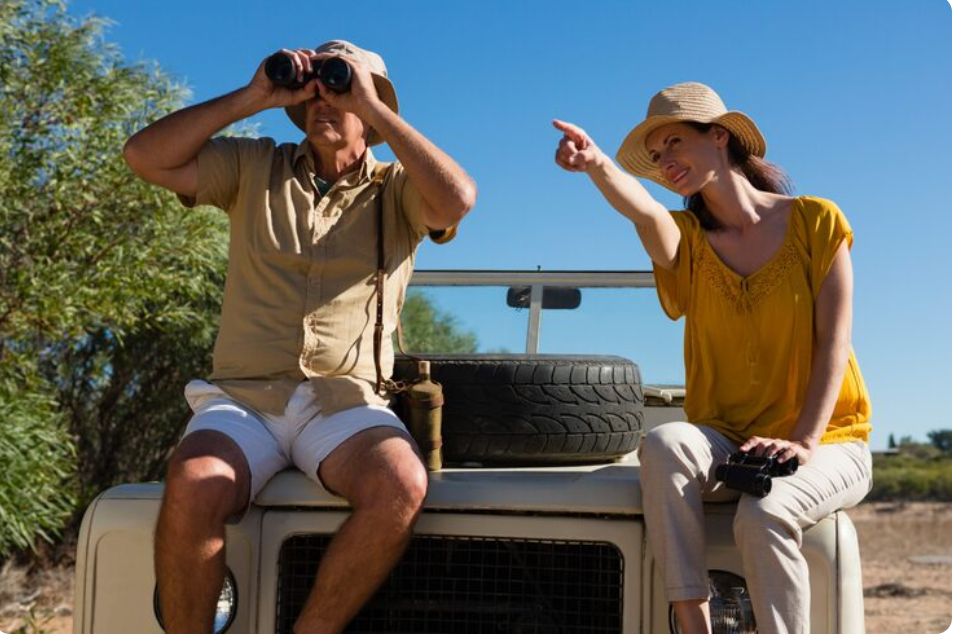
A self-drive safari dar es salaam involves renting a 4×4 safari vehicle (usually a Land Cruiser) and exploring Tanzania’s national parks independently. You plan your own itinerary, drive yourself, navigate the parks, and arrange accommodations and permits on your own or with limited support from a rental company.
Key Features of a Self-Drive Safari
- You are your own driver and guide
- Full control over routes and daily schedules
- Requires navigation, park knowledge, and driving skill
- More common in Southern and Northern Circuit parks, but less popular than guided safaris
Advantages of a Self-Drive Safari
1. Maximum Freedom and Flexibility
Self-drive safaris allow you to explore at your own pace you can also opt to go for Tanzania camping safari on self drive. You can:
- Spend extra time at sightings
- Change routes spontaneously
- Start early or return late (within park rules)
This appeals strongly to adventurous travelers who dislike rigid schedules.
2. Sense of Adventure
Driving yourself through vast savannahs, river crossings, and remote landscapes delivers a powerful feeling of independence and exploration.
3. Potential Cost Savings (for Long Trips or Groups)
For experienced travelers, self-drive can be cheaper, especially for:
- Long safaris
- Groups sharing vehicle and fuel costs
However, savings depend heavily on planning and avoiding breakdowns or mistakes.
Challenges of a Self-Drive Safari
1. Limited Wildlife Spotting
Professional guides know:
- Animal behavior
- Seasonal movement patterns
- Hidden tracks and radio-shared sightings
Without this expertise, self-drivers often miss predators and rare sightings.
2. Navigation and Road Conditions
Many parks have:
- Poor signage
- Rough dirt roads
- Muddy tracks during rainy seasons
Getting lost or stuck is common for first-time self-drivers.
3. Safety and Emergencies
In remote areas:
- Mobile signal is unreliable
- Help can take hours or days
- Encounters with wildlife require strict caution
Drivers are fully responsible for breakdowns, accidents, and safety decisions.
4. Complex Logistics
Self-drivers must arrange:
- Park permits and entry fees
- Accommodation bookings
- Fuel planning
- Camping equipment (if applicable)
This can be stressful, especially for short trips.
What Is a Guided Safari in Tanzania?
A guided safari includes a professional driver-guide who takes care of driving, wildlife tracking, navigation, safety, and logistics. Guided safaris are the most common and recommended option in Tanzania.
They can be:
- Private safaris
- Group safaris
- Luxury, mid-range, or budget packages
Advantages of a Guided Safari
1. Expert Wildlife Knowledge
Guides are trained professionals with years of experience. They:
- Track animals using signs and behavior
- Communicate with other guides via radio
- Explain ecosystems, culture, and conservation
This significantly improves the quality and quantity of wildlife sightings.
2. Safety and Peace of Mind
Guides handle:
- Difficult terrain
- Wildlife encounters
- Emergency situations
This makes guided safaris ideal for families, first-time visitors, and older travelers.
3. Hassle-Free Logistics
Everything is handled for you:
- Park permits and fees
- Accommodation and meals
- Fuel and vehicle maintenance
You simply enjoy the safari experience.
4. Better Value for Short Trips
While guided safaris appear more expensive upfront, they often offer better value by:
- Maximizing sightings in limited time
- Avoiding costly mistakes
- Including meals, accommodations, and park fees
Disadvantages of a Guided Safari
1. Less Flexibility
Daily schedules are planned in advance. While guides can adapt to sightings, you generally follow:
- Fixed routes
- Park time regulations
- Pre-booked accommodations
2. Higher Initial Cost
Guided safaris include:
- Professional guide fees
- Vehicle and fuel
- Logistics management
This results in a higher upfront price, though it is more predictable.
Cost Comparison: Self-Drive vs Guided Safari
Aspect
Self-Drive Safari
Guided Safari
Vehicle
Rented 4×4
Included
Guide
Not included
Included
Park fees
Paid separately
Usually included
Accommodation
Self-booked
Arranged
Emergency support
Limited
Provided
Cost predictability
Medium–Low
High
Important note: Self-drive safaris often become more expensive than expected due to fuel costs, repairs, navigation errors, or emergency assistance.
Which Option Is Best for You?
Choose a Self-Drive Safari If:
- You are an experienced safari traveler
- You have strong off-road driving skills
- You enjoy detailed planning
- You have plenty of time and flexibility
- You accept higher risk and responsibility
Choose a Guided Safari If:
- It is your first safari in Tanzania
- You want the best wildlife sightings
- You value safety and comfort
- You have limited time
- You are traveling with family or elderly companions
Can You Combine Both?
Yes. Some travelers:
- Start with a guided safari to learn the parks
- Continue with a short self-drive extension
However, this is recommended only for confident and experienced travelers.
Final Verdict
While self-drive safaris offer freedom and adventure, guided safaris remain the best and safest way to experience Tanzania’s wildlife, especially for first-time visitors. The expertise of a professional guide, combined with seamless logistics and improved wildlife encounters, often outweighs the desire for independence.
Tanzania’s parks are vast, wild, and unforgiving — and having a knowledgeable guide can turn a good safari into an unforgettable one.